Electric Lifts: A Complete Analysis Of Types, Applications, And Safe Operation Guidelines
Electric lifts are versatile vertical transportation devices powered by electric motors, designed to safely lift people, goods, or equipment between different heights. With the advantages of energy efficiency, stable operation, easy operation, and wide adaptability, they have become indispensable equipment in industrial production, construction sites, commercial buildings, and residential scenarios. Unlike hydraulic lifts, electric lifts rely on electric drive systems (motors, gears, screws, or chains) to achieve lifting, avoiding the risk of hydraulic oil leakage and ensuring environmental friendliness. This article comprehensively analyzes the main types, typical application scenarios, and core safe operation guidelines of electric lifts, providing practical references for operators, procurement personnel, and safety managers.
I. Main Types of Electric Lifts and Their Characteristics
Electric lifts are classified into various types based on structural design, lifting mechanism, and application scenarios, each with unique characteristics and scope of use. The most common types are as follows:
1. Electric Scissor Lifts
Electric scissor lifts are the most widely used type, characterized by a scissor-like telescopic structure that drives the platform up and down. They are divided into mobile and fixed models, with the mobile type being more common in practical applications.
- Structural Characteristics: Composed of a scissor support frame, lifting platform, electric motor, hydraulic pump (assisted lifting), and control system. The scissor frame is made of high-strength steel, ensuring stable load-bearing capacity; the platform is usually made of anti-slip steel plate to improve safety.
- Key Advantages: Large lifting platform area, stable operation, strong load-bearing capacity (usually 300-1500 kg), and low noise. Mobile models are equipped with universal wheels for flexible movement, suitable for indoor and outdoor use.
- Limitations: The lifting height is relatively limited (usually 6-18 meters), and the scissor structure requires a certain horizontal space for expansion, which is not suitable for narrow areas.
- Common Models: Mobile electric scissor lifts (self-propelled or push-type), fixed electric scissor lifts (installed in workshops or warehouses).
2. Electric Mast Lifts
Electric mast lifts (also known as telescopic mast lifts) feature a single or multiple telescopic masts that drive the platform to lift, with a compact structure and flexible movement.
- Structural Characteristics: Core components include telescopic mast (made of high-strength aluminum alloy), lifting platform, electric motor, and control system. The mast can be telescoped vertically, and some models are equipped with a rotating platform (360° rotation) to expand the working range.
- Key Advantages: Compact structure, small floor space, light weight, and high lifting height (up to 30 meters). Suitable for narrow spaces (e.g., indoor workshops, shopping malls) and high-altitude operations that require flexible movement.
- Limitations: Smaller platform area and lower load-bearing capacity (usually 100-300 kg), mainly used for personnel operation rather than heavy goods transportation.
- Common Models: Single-mast, double-mast, and multi-mast electric lifts, with self-propelled models being widely used in high-altitude maintenance.
3. Electric Chain Hoists and Wire Rope Hoists
These are lightweight electric lifts mainly used for lifting goods, with a simple structure and high lifting efficiency. They are often installed in workshops, warehouses, or cranes.
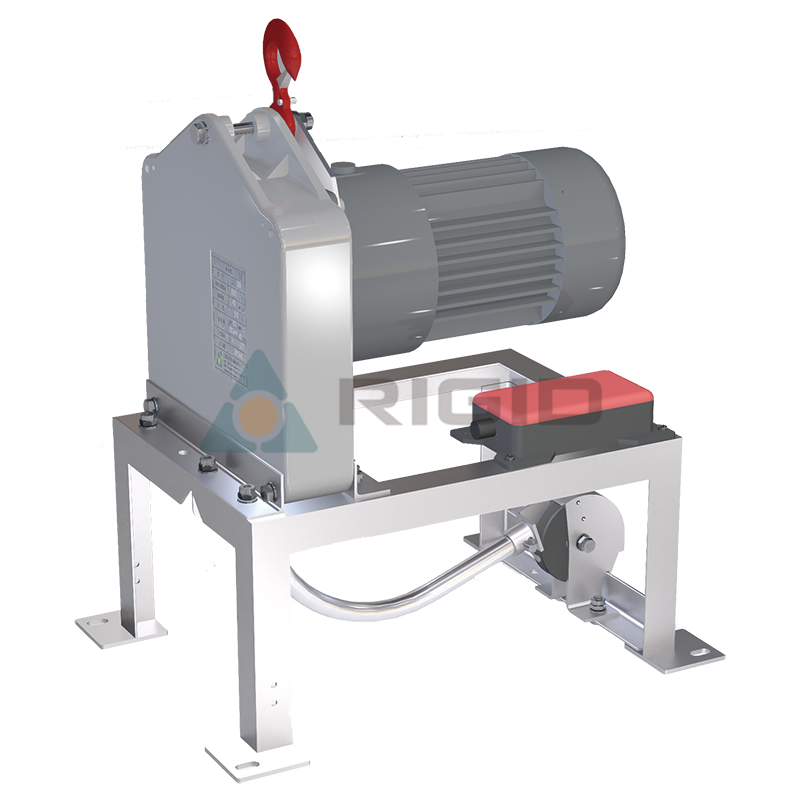
- Structural Characteristics: Composed of electric motor, reducer, chain/wire rope, hook, and control system. Chain hoists are suitable for small loads and short distances, while wire rope hoists are suitable for heavy loads and long distances.
- Key Advantages: Small size, easy installation, low cost, and high lifting efficiency. Wire rope hoists can bear heavy loads (up to several tons), while chain hoists are easy to maintain and suitable for narrow spaces.
- Limitations: Only suitable for goods lifting, not for personnel transportation; requires fixed installation (e.g., beam, crane) and lacks mobility.
- Common Applications: Warehouse goods lifting, workshop equipment maintenance, and small-scale hoisting operations.
4. Electric Hydraulic Lifts
A hybrid type that combines electric and hydraulic technologies: the electric motor drives the hydraulic pump to generate hydraulic pressure, which in turn drives the lifting mechanism. It integrates the advantages of electric and hydraulic lifts.
- Structural Characteristics: Core components include electric motor, hydraulic pump, hydraulic cylinder, lifting platform, and control system. The hydraulic system provides stable lifting force, while the electric motor ensures energy efficiency and easy control.
- Key Advantages: High load-bearing capacity, stable lifting, low noise, and suitable for both indoor and outdoor use. The lifting height can be adjusted flexibly, and some models are mobile.
- Limitations: Higher maintenance costs than pure electric lifts; requires regular inspection of hydraulic oil quality and seals to prevent leakage.
- Common Models: Mobile electric hydraulic lifts, fixed electric hydraulic lifting platforms, and disabled barrier-free lifts.
5. Other Specialized Electric Lifts
- Disabled Barrier-Free Lifts: Designed for the elderly and disabled, with a slow lifting speed, simple operation interface, and barrier-free access (low threshold, wide platform). Installed in public buildings, residential areas, and medical institutions.
- Electric Rail Lifts: Guided by rails, suitable for fixed vertical transportation in buildings (e.g., small residential buildings, workshops). The lifting speed is stable, and the load-bearing capacity is moderate.
- Electric Aerial Work Platforms: Integrated with a lifting platform and a mobile chassis, suitable for high-altitude operations such as building maintenance, decoration, and power line maintenance. Equipped with safety protection devices such as guardrails and emergency stop buttons.
II. Typical Application Scenarios of Electric Lifts
Electric lifts are widely used in various fields due to their versatility, safety, and energy efficiency. Typical application scenarios include:
1. Construction and Decoration Industry
This is the largest application field for electric lifts, where they are used for high-altitude operations such as building decoration, wall painting, and glass installation.
- Mobile Scissor Lifts and Mast Lifts: Used for indoor and outdoor decoration, such as painting exterior walls, installing ceiling lamps, and laying floor tiles on high floors. The mobile design allows flexible movement between construction sites, and the stable platform ensures the safety of operators.
- Electric Aerial Work Platforms: Used for high-rise building maintenance, power line installation, and bridge decoration. The rotating platform and high lifting height expand the working range, improving construction efficiency.
2. Industrial Workshops and Warehouses
Electric lifts play a key role in material handling and equipment maintenance in industrial scenarios.
- Fixed Scissor Lifts and Hydraulic Lifts: Installed in workshops to lift heavy equipment, raw materials, and finished products between floors. The high load-bearing capacity ensures efficient transportation, reducing manual labor intensity.
- Electric Chain/Wire Rope Hoists: Used in warehouses to lift goods to high shelves, saving storage space and improving warehousing efficiency. Suitable for small and medium-sized goods lifting.
- Mast Lifts: Used for equipment maintenance in narrow workshops, such as maintaining machine tools, pipelines, and electrical equipment.
3. Commercial and Public Buildings
Electric lifts are widely used in shopping malls, supermarkets, hospitals, and other public buildings to meet the needs of personnel and goods transportation.
- Disabled Barrier-Free Lifts: Installed in shopping malls, hospitals, and government buildings to provide convenient vertical transportation for the elderly and disabled, complying with accessibility design standards.
- Mobile Scissor Lifts: Used for indoor decoration, equipment maintenance, and goods transportation in shopping malls. The low noise and stable operation avoid affecting the normal operation of the venue.
- Electric Rail Lifts: Used in small commercial buildings or office buildings as auxiliary vertical transportation, supplementing traditional elevators.
4. Residential Scenarios
Electric lifts are increasingly used in residential areas to solve the problem of vertical transportation for the elderly and disabled, and to meet the needs of home decoration and goods transportation.
- Disabled Barrier-Free Lifts: Installed in villas, townhouses, and old residential buildings to help the elderly and disabled go up and down stairs easily.
- Small Mobile Scissor Lifts: Used for home decoration, such as installing chandeliers, painting walls, and transporting furniture between floors.
5. Other Special Scenarios
- Medical Institutions: Used to transport medical equipment, stretchers, and drugs between floors. The stable operation and slow lifting speed avoid aggravating patient discomfort.
- Logistics and Distribution Centers: Used to lift goods between different levels of warehouses, improving logistics efficiency. Fixed scissor lifts and electric hoists are widely used here.
- Outdoor Scenarios: Mobile electric lifts (with waterproof and anti-corrosion design) are used for outdoor operations such as garden maintenance, street lamp repair, and billboard installation.
III. Core Safe Operation Guidelines for Electric Lifts
Safety is the top priority for electric lift operation. Improper operation may lead to equipment failure, personal injury, or property loss. The following are the core safe operation guidelines that operators must abide by:
1. Pre-Operation Inspection
Before starting the electric lift, conduct a comprehensive inspection to ensure the equipment is in normal working condition:
- Equipment Appearance: Check for damage to the platform, scissor frame, mast, or control panel; ensure the guardrail is intact and firmly installed.
- Electrical System: Check the power supply, wires, and plugs for damage or looseness; test the emergency stop button, control switches, and indicator lights to ensure they work normally.
- Mechanical System: For scissor lifts, check the scissor frame hinges and pins for wear or looseness; for chain/wire rope hoists, check the chain/wire rope for wear, rust, or breakage; for hydraulic models, check the hydraulic oil level and seals for leakage.
- Environment and Ground: Ensure the operating ground is flat, solid, and free of obstacles; for outdoor operation, check the weather conditions (avoid strong winds, rain, or snow) and ensure the ground can bear the load of the lift and goods/personnel.
2. During-Operation Safety Rules
During the operation of the electric lift, strictly abide by the following rules to ensure safety:
- Load Control: Do not exceed the rated load of the lift; evenly distribute the load on the platform (avoid concentrated load); do not carry flammable, explosive, or corrosive goods without safety protection measures.
- Personnel Operation: Only trained and qualified operators can operate the lift; no one is allowed to stand on the edge of the platform or lean out of the guardrail; do not carry extra personnel (except for the rated number of operators).
- Lifting Operation: Lift the platform slowly to check for abnormal noise or jitter; if any abnormality is found, stop the operation immediately and cut off the power supply for inspection. Do not lift the platform when there are obstacles above or around it.
- Mobile Operation: For mobile lifts, do not move the equipment while the platform is lifted; lower the platform to the lowest position before moving. When moving, pay attention to the surrounding environment to avoid collision with obstacles or personnel.
- Emergency Handling: In case of power outage, equipment failure, or other emergencies, press the emergency stop button immediately; use the manual pump (for hydraulic models) or emergency descent device to lower the platform to the lowest position, and evacuate personnel safely.
3. Post-Operation Maintenance
After the operation, conduct regular maintenance to extend the service life of the equipment and ensure its safe operation:
- Equipment Reset: Lower the platform to the lowest position, cut off the power supply, and turn off the control switch. Clean the platform surface and remove dust, debris, or oil stains.
- Regular Inspection and Maintenance: Conduct daily, weekly, and monthly inspections according to the equipment manual. Daily inspection focuses on appearance and electrical systems; weekly inspection focuses on mechanical components and hydraulic systems; monthly inspection includes lubrication, bolt tightening, and seal replacement.
- Lubrication: Regularly apply lubricating oil to the scissor frame hinges, mast telescopic parts, and chain/wire rope to reduce friction and wear.
- Storage: For mobile lifts not in use for a long time, store them in a dry, well-ventilated area; cover the equipment to prevent dust and corrosion; fully charge the battery (for battery-powered models) and check the battery status regularly.
4. Operator Training and Qualification
Operators must receive professional training before operating electric lifts, including equipment structure, working principles, safe operation procedures, and emergency handling methods. Only after passing the assessment and obtaining the corresponding operation qualification certificate can they operate the equipment independently. Regular retraining is also required to update knowledge and skills, adapting to new equipment and safety standards.
IV. Key Selection Considerations
To select the optimal electric lift for specific applications, consider the following factors:
- Load Capacity: Determine the required load based on the weight of personnel, goods, or equipment, and select a lift with a rated load that provides a 20-30% safety margin.
- Lifting Height: Choose the lifting height according to the maximum working height required, ensuring it meets the application needs.
- Application Environment: For indoor use, prioritize compact, low-noise models; for outdoor use, select models with waterproof, anti-corrosion, and wind-resistant designs.
- Mobility Requirements: If frequent movement is needed, choose mobile models (self-propelled or push-type); if fixed vertical transportation is required, select fixed models.
- Safety Performance: Prioritize models with complete safety protection devices, such as emergency stop buttons, overload protectors, anti-fall devices, and guardrails.
V. Conclusion
Electric lifts, with their energy efficiency, stability, and versatility, have become an indispensable part of modern industrial production, construction, and daily life. From scissor lifts and mast lifts to chain hoists and barrier-free lifts, different types of electric lifts meet the diverse needs of various application scenarios, improving work efficiency and reducing manual labor intensity.
However, the safe operation of electric lifts is crucial—strict adherence to pre-operation inspection, during-operation safety rules, and post-operation maintenance can effectively prevent safety accidents. For operators, procurement personnel, and safety managers, mastering the types, characteristics, and safe operation guidelines of electric lifts is essential to select the optimal equipment, ensure operational safety, and extend the service life of the equipment.
With the development of intelligent technology, electric lifts are constantly evolving toward intelligence, automation, and safety—such as the integration of IoT technology for real-time monitoring, automatic overload alarm, and remote control. This will further expand their application scope and improve operational efficiency, making them play a more important role in future production and life.








 +86 51068080177



 Current location:Home
>News
>Industry news
Electric Lifts: A Complete Analysis Of Types, Applications, And Safe Operation Guidelines
Current location:Home
>News
>Industry news
Electric Lifts: A Complete Analysis Of Types, Applications, And Safe Operation Guidelines