Electric Hoists: Functions, Types & Safety Tips
1. Introduction
Electric hoists are compact, efficient lifting devices driven by electric motors. Used to lift, lower and move heavy loads, they are widely applied in factories, warehouses, construction sites and workshops, simplifying heavy lifting tasks.
2. Structure and Working Principle
A basic
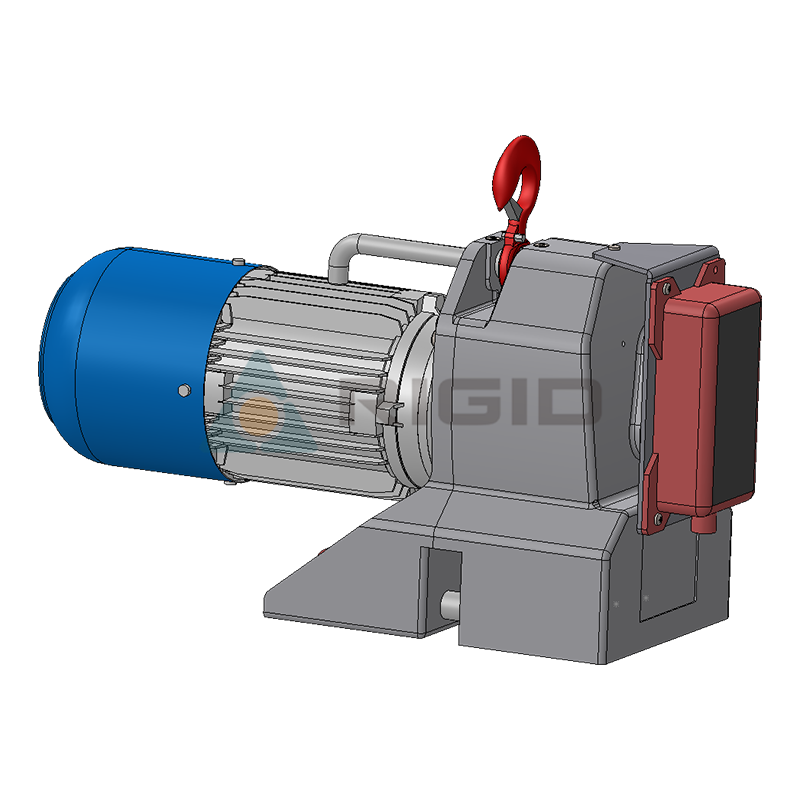
electric hoist consists of an electric motor, lifting hook, wire rope/drum, and control system. The motor drives the drum to wind or unwind the rope, lifting or lowering loads precisely, with a braking system ensuring stable operation.
3. Common Types
- Wire Rope Electric Hoists: High load capacity, suitable for heavy-duty lifting in industrial and construction scenarios.
- Chain Electric Hoists: Compact, durable, ideal for small-to-medium loads in workshops and warehouses.
- Fixed Electric Hoists: Mounted in a fixed position, for stationary lifting tasks.
- Movable Electric Hoists: Equipped with trolleys, enabling horizontal movement for flexible load handling.
4. Key Features
- High Efficiency: Electric drive ensures stable, fast lifting, improving work efficiency.
- Precise Control: Easy to adjust lifting height and speed, suitable for accurate load positioning.
- Compact Design: Small size, saves space, easy to install in limited areas.
- Safe and Reliable: Equipped with overload protection and emergency braking for safe operation.
5. Safety Precautions
Inspect the hoist for damage before use; never exceed its load capacity. Ensure stable power supply and avoid operating in severe weather. Regularly maintain and lubricate moving parts.
6. Conclusion
Electric hoists are essential for modern lifting operations, with their efficiency, precision and compactness making them vital in industrial, construction and warehousing fields.








 +86 51068080177
  Current location: