Guidelines For Design And Construction Safety Specifications Of Elevator Installation Platforms
The
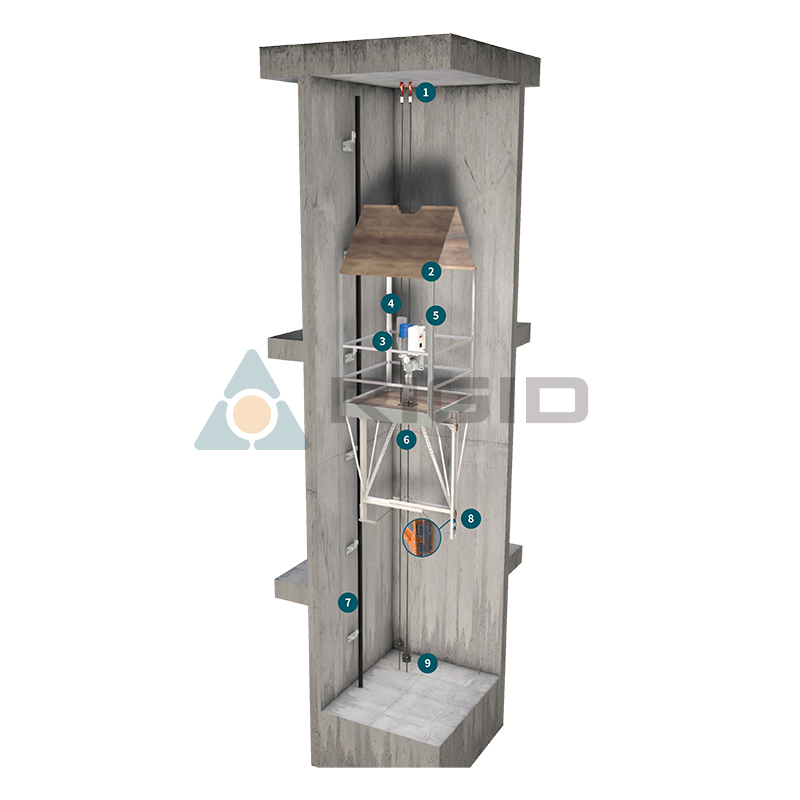
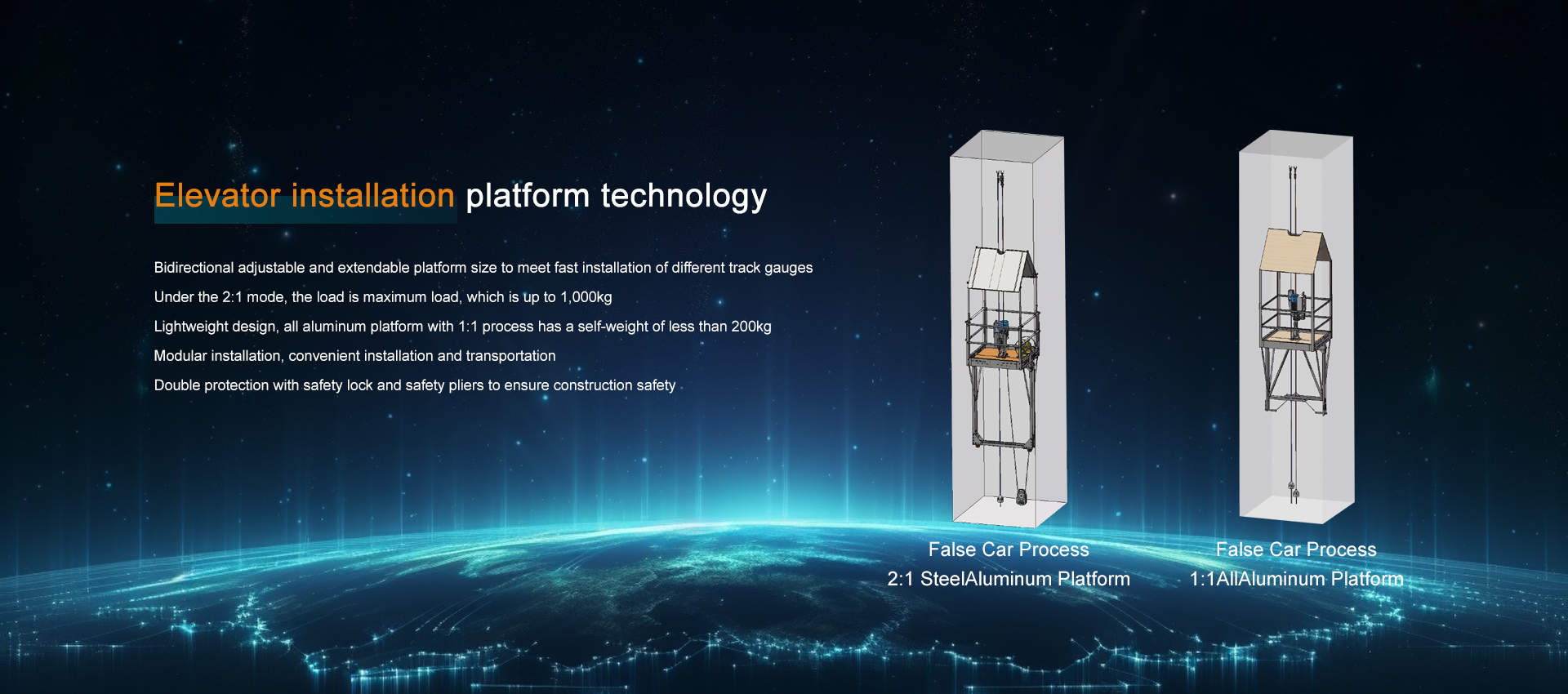
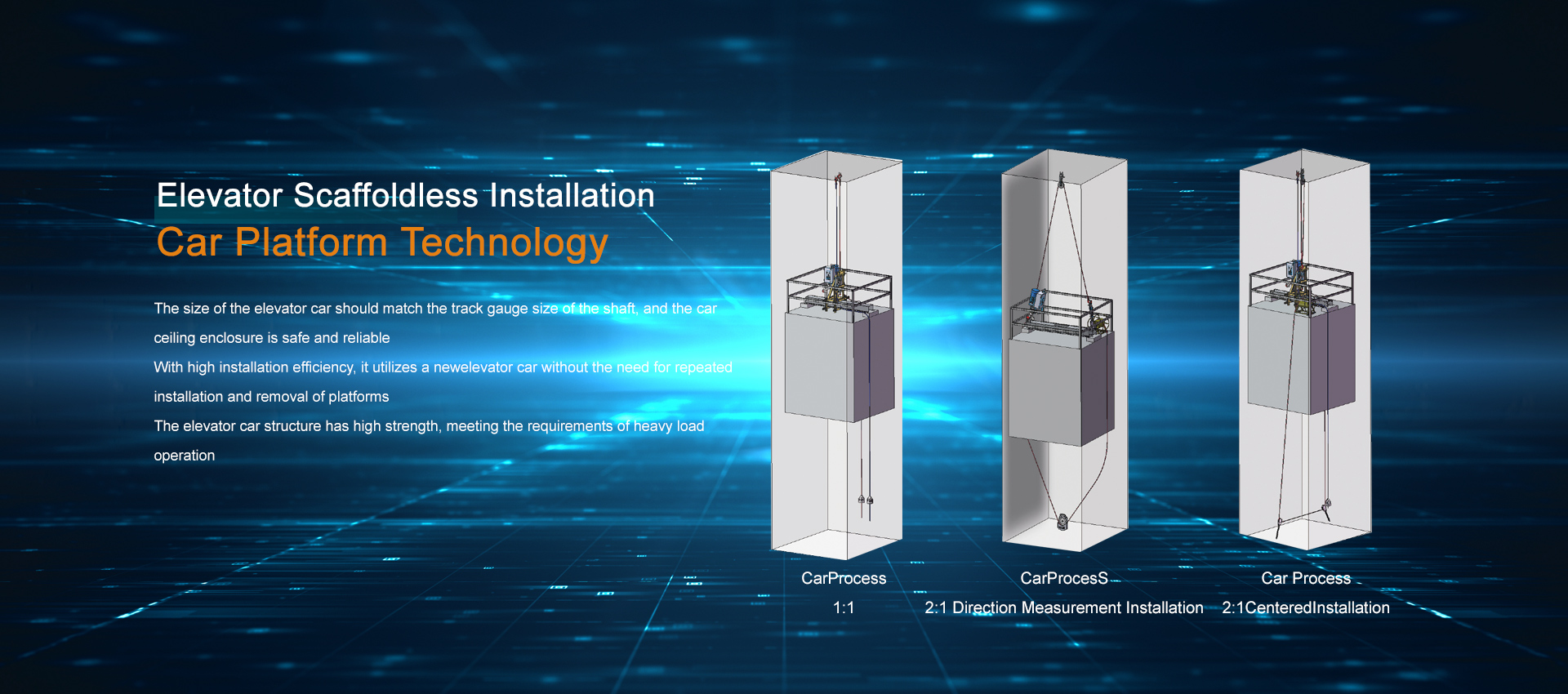
elevator installation platform is a core component of elevator installation projects, and its design and construction directly impact project safety and efficiency. To ensure platform stability and operational safety, strict compliance with national regulations, technical standards, and safety specifications is required. The following are the key points:
I. Regulatory and Standard Basis
Elevator installation platforms must comply with the requirements of the "People's Republic of China Special Equipment Safety Law" and the "Special Equipment Safety Supervision Regulations". Installation units must possess corresponding qualifications and, prior to construction, complete installation notification procedures with the local market supervision and management department, submitting construction plans, personnel qualifications, safety measures, and other materials. Platform design must meet the relevant provisions of the "Elevator Installation Acceptance Code" (GB/T 10060-2023) and the "Safety Code for Elevator Construction and Installation" (GB 7588-2018) to ensure that structural strength, stability, and protective performance meet the required standards.
II. Technical Specifications and Requirements
1. Structural Safety:
The platform's load-bearing capacity must cover the total weight of construction equipment, personnel, and materials. Materials should possess high strength and anti-slip properties. The edges must be equipped with protective railings with a height of not less than 1.2 meters and踢脚 boards to prevent fall risks.
2. Installation and Fixing:
The supporting structure must be firmly fixed to the hoistway wall or embedded parts to avoid displacement. The gap between the platform and the hoistway wall must be controlled within 10 centimeters, and the levelness deviation of the platform surface shall not exceed 2/1000.
3. Collaborative Operation:
The platform must be coordinated with processes such as guide rail installation and car assembly to avoid interfering with the positioning of key components. When temporarily dismantling or adjusting, ensure no personnel are inside the hoistway and set up warning signs.
III. Safety Management and Acceptance
- Pre-construction Preparation: Conduct on-site surveys of hoistway dimensions, load-bearing conditions, and embedded part positions to ensure compliance with installation requirements.
- Process Control: Operators must hold valid certificates and receive safety briefings. Regularly inspect platform structural stability and the condition of connecting components.
- Acceptance Standards: The platform must undergo special inspections to confirm the absence of deformation, corrosion, or looseness, and shall undergo supervision and inspection together with the overall project.
IV. Handling of Special Circumstances
For non-standard designs or special hoistways (such as super high-rise buildings, special-shaped structures), safety assessments by professional institutions and the development of special plans are required. During construction, noise and dust must be reduced to meet civilized construction requirements.
In summary, the compliance and safety of elevator installation platforms are the foundation for ensuring project quality and personnel safety, requiring comprehensive adherence to technical standards and management requirements.








 +86 51068080177


 Current location:Home
>Technology
Guidelines For Design And Construction Safety Specifications Of Elevator Installation Platforms
Current location:Home
>Technology
Guidelines For Design And Construction Safety Specifications Of Elevator Installation Platforms