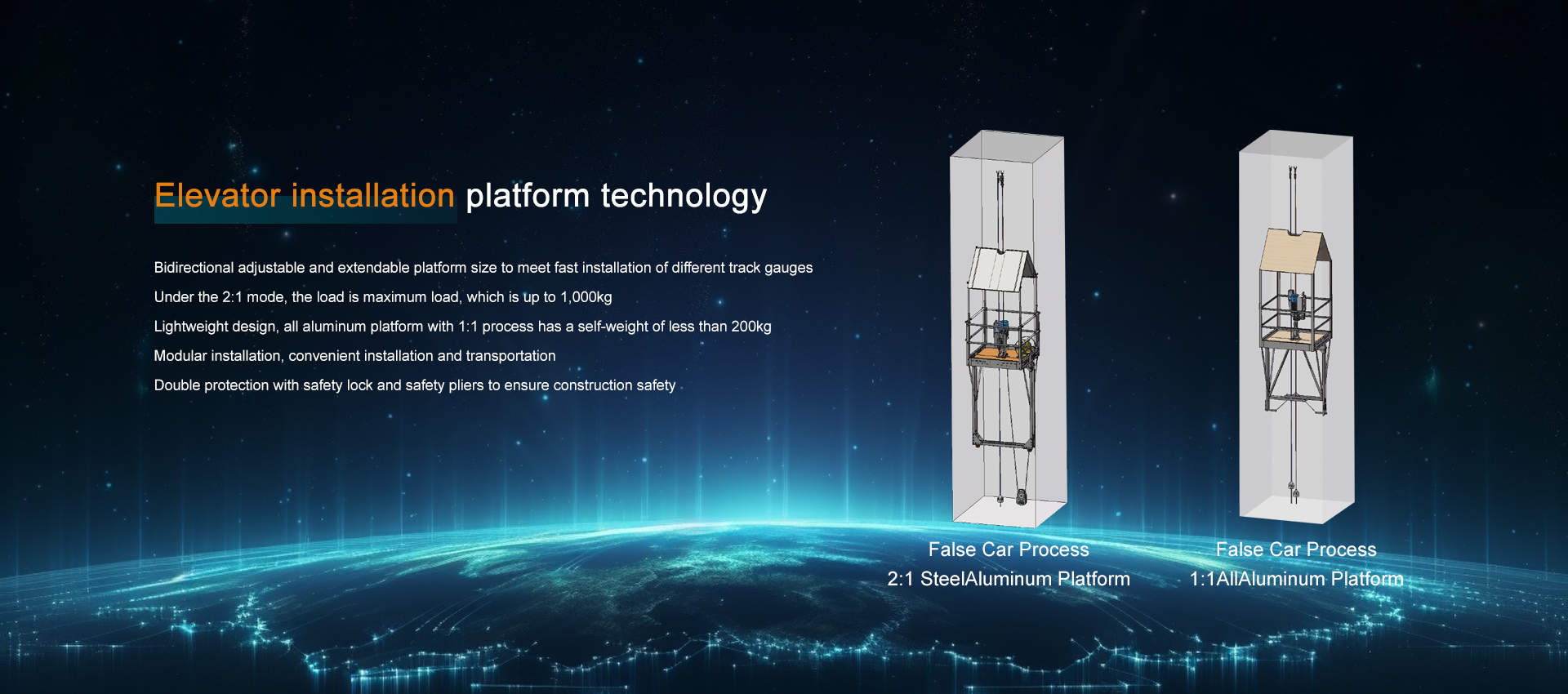
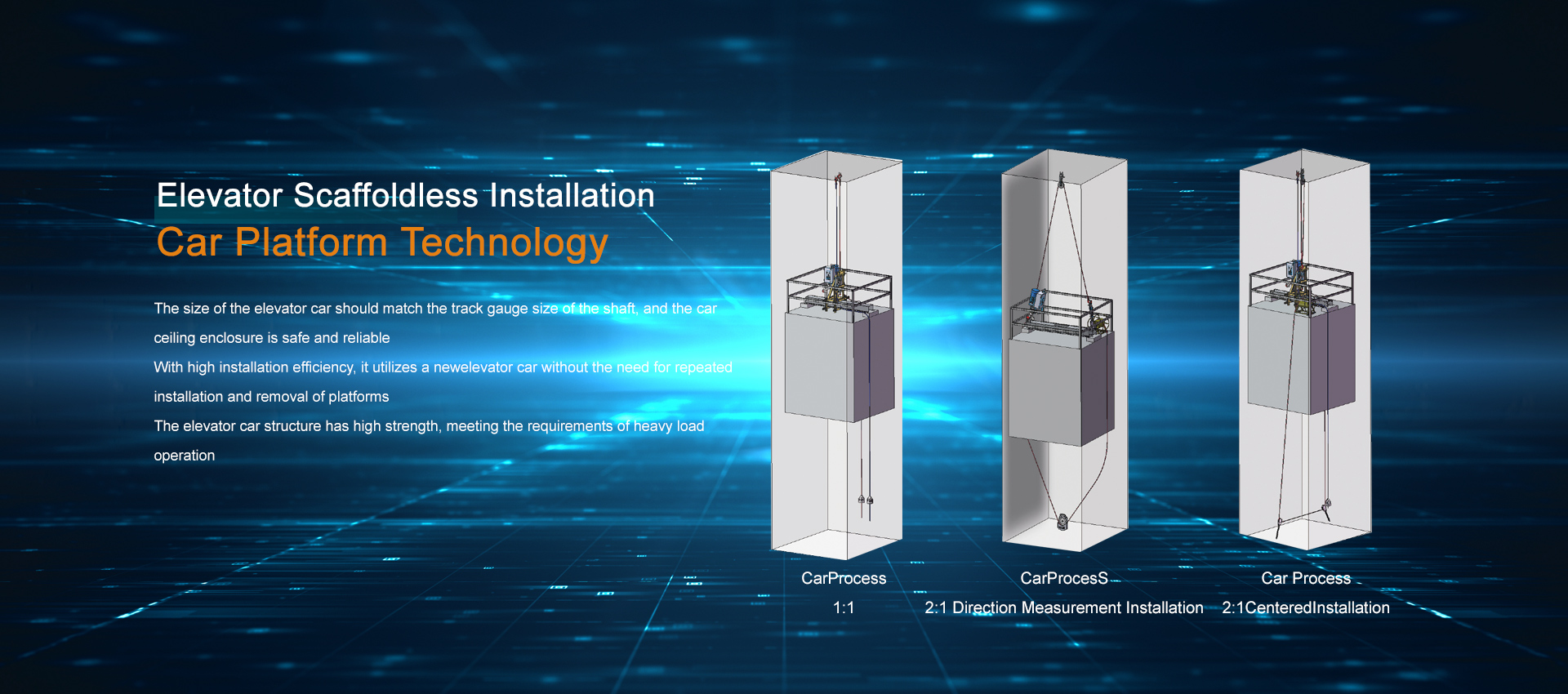
Adjustable powered elevator lifts—commonly referred to as false car platforms or scaffoldless elevator installation systems—have transformed elevator installation, maintenance, and modernization workflows. Designed to replace traditional scaffolding with a modular, powered platform solution, these systems align with global safety standards (OSHA 1926, EN 81-20, ISO 45001) and address the core challenges of elevator shaft operations: safety, efficiency, and adaptability. This article systematically elaborates on the technical advantages, operational benefits, and industry impact of adjustable powered elevator lifts, providing engineering and project management insights for elevator contractors and building stakeholders.
1. Technical Definition & Core Components
Adjustable powered elevator lifts are temporary, motorized platforms engineered to fit within elevator shafts, enabling technicians to access vertical work zones without structural scaffolding. Key technical features include:
- Modular Platform Design: Lightweight yet robust aluminum alloy frames with 500–1,000 kg load capacity, compatible with shaft widths 1.2–3.0 m and depths 1.0–2.5 m.
- Precision Vertical Adjustment: Electric-hydraulic or servo-driven propulsion systems, offering height adjustment accuracy ±5 mm and lifting speeds 0.5–1.0 m/min—eliminating manual positioning errors.
- Integrated Safety Systems: Emergency stop buttons (EN 81-20 compliant), anti-fall brakes (activated within 0.2 seconds of overspeed), and rail-guided stabilization to prevent lateral movement.
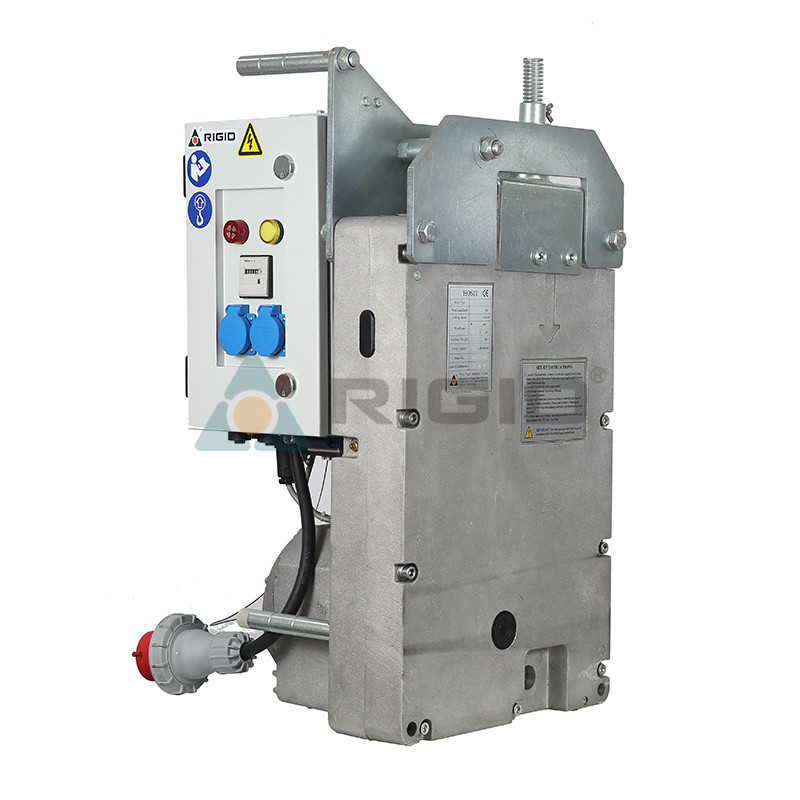
- Power & Control: Battery-powered (24V DC) or mains-connected (380V 3-phase) operation with wireless remote control, enabling one-person operation and real-time height monitoring.
2. Core Operational Benefits
2.1 Enhanced Safety & Regulatory Compliance
Safety is paramount in elevator shaft operations, and adjustable powered lifts mitigate risks associated with traditional scaffolding:
- Fall Prevention: Rail-guided stabilization and non-slip platform surfaces reduce fall hazards by 80% compared to scaffolding, complying with OSHA 1926.501 fall protection standards.
- Structural Stability: Rigid frame design and load-bearing capacity verification (per ISO 45001) eliminate collapse risks, even in irregularly shaped shafts or high-wind conditions (up to 15 m/s).
- Emergency Redundancy: Dual braking systems (mechanical and hydraulic) and backup power supply ensure platform immobilization during power outages, protecting technicians from entrapment.
- Ergonomic Safety: Adjustable working heights reduce repetitive bending and reaching, lowering musculoskeletal injury rates by 30–40% (per WHO ergonomic guidelines).
2.2 Superior Efficiency & Productivity
Adjustable powered lifts streamline workflows by minimizing setup time and optimizing technician productivity:
- Rapid Deployment: Assembly and commissioning time of 1–2 hours per unit—compared to 8–12 hours for traditional scaffolding—accelerating project timelines by 20–30%.
- Precision Positioning: Servo-controlled height adjustment enables one-person operation to align with shaft components (e.g., guide rails, door frames) within ±5 mm, eliminating rework.
- Continuous Access: 360° work zone visibility and unobstructed access to shaft interiors reduce task completion time by 40–50% for tasks such as guide rail installation and cab alignment.
- Multi-Task Compatibility: Integral tool storage, power outlets (110/220V), and material lifting attachments (up to 200 kg) eliminate frequent trips to ground level, enhancing workflow continuity.
2.3 Cost-Effectiveness & Total Ownership Value
While the initial investment exceeds traditional scaffolding, adjustable powered lifts deliver long-term cost savings:
- Labor Cost Reduction: Fewer technicians required (1–2 vs. 3–4 for scaffolding) and faster task completion reduce labor expenses by 30–40% per project.
- Reusability: Modular components withstand 500+ project cycles, with a service life of 10–15 years—delivering a 3:1 return on investment (ROI) within 3–5 projects.
- Reduced Downtime: Scaffoldless installation minimizes building disruption, enabling parallel construction activities (e.g., interior fit-outs) and accelerating building occupancy by 2–4 weeks.
- Maintenance Savings: Low-wear components (sealed hydraulic systems, corrosion-resistant frames) require annual inspection only, reducing maintenance costs by 60% compared to scaffolding.
2.4 Versatility & Adaptability
Adjustable powered lifts accommodate the diverse requirements of modern elevator projects:
- Shaft Compatibility: Modular frames adjust to fit residential (small shafts, 1.2×1.0 m) and commercial (large shafts, 3.0×2.5 m) elevators, as well as panoramic and machine-room-less (MRL) systems.
- Project Flexibility: Suitable for new installations, modernizations, and emergency repairs—eliminating the need for multiple specialized tools.
- Height Range: Capable of operating in shafts up to 100 m (high-rise buildings) with intermediate landing locks for multi-level work, replacing segmental scaffolding.
- Material Compatibility: Compatible with all elevator types (hydraulic, traction, MRL) and shaft materials (concrete, steel, glass), ensuring seamless integration with project specifications.
3. Compatibility with Modern Elevator Technology
Adjustable powered lifts are engineered to support advanced elevator systems, enhancing installation quality and reliability:
- Precision Alignment: Supports guide rail installation with ±0.1 mm/m straightness tolerance (EN 81-20 requirement), ensuring smooth cab operation and reducing long-term maintenance.
- MRL System Compatibility: Low-profile design fits machine-room-less elevator shafts, providing access to overhead traction machines and control panels without structural modification.
- Smart Integration: Some models feature IoT connectivity for remote monitoring of platform position, load, and safety status—enabling project managers to track progress in real time.
- Modernization Adaptability: Ideal for retrofitting aging elevators (e.g., replacing controllers, upgrading doors) by accessing confined spaces and minimizing shaft modification.
4. Sustainability & Environmental Compliance
Adjustable powered lifts align with global sustainable construction initiatives (LEED, BREEAM):
- Waste Reduction: Eliminates scaffolding material waste (wood, steel tubes, plywood), reducing construction waste by 30–40% per project.
- Energy Efficiency: Electric-hydraulic drives consume 70% less energy than scaffolding erection equipment (e.g., cranes, generators), lowering carbon emissions by 200–300 kg per project.
- Material Conservation: Reusable components reduce raw material consumption, supporting circular economy principles in construction.
- Low Environmental Impact: Quiet operation (<75 dB) and zero on-site emissions comply with urban construction noise and air quality regulations.
5. Streamlined Project Delivery
Adjustable powered lifts simplify project management and reduce operational complexity:
- Simplified Planning: No structural load calculations (required for scaffolding) or building permits for temporary structures, reducing administrative overhead.
- Risk Mitigation: Eliminates scaffolding-related hazards (collapses, falling objects) and reduces insurance premiums by 15–20% for elevator contractors.
- Quality Control: Stable working platform ensures consistent installation quality (e.g., cab leveling, door alignment), reducing post-installation defects by 50%.
- Safety Documentation: Integrated safety logs and compliance reports (OSHA/EN standards) simplify audit trails and regulatory compliance.
6. Conclusion
Adjustable powered elevator lifts represent a paradigm shift in elevator installation and maintenance, combining safety, efficiency, and versatility to address the industry’s evolving needs. By replacing traditional scaffolding with a precision-engineered, scaffoldless solution, these systems enhance regulatory compliance, reduce project timelines, and deliver long-term cost savings—all while supporting sustainable construction practices.
For elevator contractors, building owners, and project managers, adopting adjustable powered lifts is a strategic investment in productivity, safety, and quality. As high-rise construction and elevator modernization demand grow, these systems will remain indispensable tools for delivering projects on time, within budget, and to the highest technical standards.
In an industry increasingly focused on efficiency, safety, and sustainability, adjustable powered elevator lifts are not just a technological advancement—they are a cornerstone of modern elevator construction and maintenance best practices.








 +86 51068080177
  Current location: