Lifting Platforms: A Comprehensive Analysis Of Types, Industrial Applications, And Safe Operation Guidelines
1. Introduction
In the process of industrialization and urbanization, vertical transportation of personnel and materials, as well as high-altitude operations, are crucial links that affect production efficiency, construction progress, and operational safety. Whether it is the installation and maintenance of industrial equipment, the stacking and handling of logistics goods, the construction of high-rise buildings, or the maintenance of aerospace equipment, lifting platforms play an irreplaceable role. Traditional vertical transportation equipment (such as elevators, cranes) has inherent limitations: elevators have limited load-bearing capacity and are not suitable for outdoor and harsh environments; cranes have high operation requirements and poor flexibility, making it difficult to meet the needs of small-space and high-frequency lifting operations.
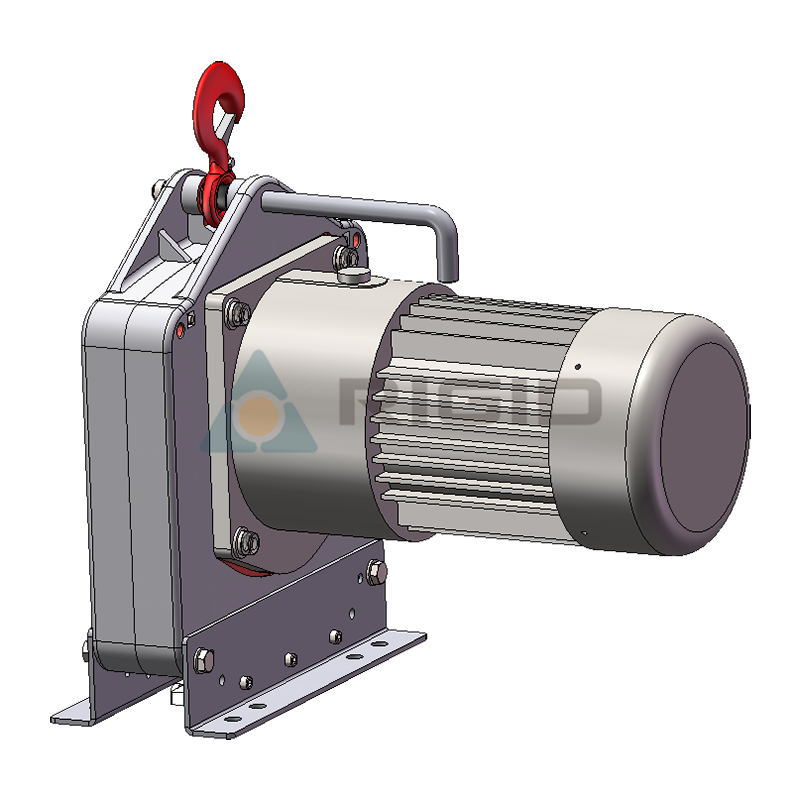
Lifting platforms, as a new type of multi-functional vertical transportation equipment, have been continuously optimized and upgraded in structure, technology, and performance, forming a diversified product system to adapt to different application scenarios. Compared with traditional vertical transportation equipment, lifting platforms have the advantages of flexible movement, stable lifting, strong load-bearing capacity, wide adaptability, and easy operation. They can be divided into various types according to the structural form, lifting principle, and application scenario, and can be customized according to the specific needs of enterprises, realizing the efficient and safe vertical transportation of personnel and materials in various complex environments.
Against this background, it is of great practical significance to conduct in-depth and comprehensive analysis of lifting platforms. This paper takes the core demand of ""efficient, safe, and flexible vertical transportation"" as the starting point, systematically combs the classification characteristics and working principles of lifting platforms, parses their core structural components and performance parameters, elaborates on their typical application scenarios in various industries, and puts forward professional safe operation guidelines and maintenance suggestions. It is hoped that this paper can provide valuable reference for relevant enterprises and personnel, help them better apply lifting platforms, and promote the safe and efficient development of industrial production and high-altitude operations.
2. Classification and Core Characteristics of Lifting Platforms
Lifting platforms are classified according to multiple criteria, including structural form, lifting principle, load-bearing capacity, and application scenario. Different types of lifting platforms have unique structural characteristics and applicable ranges, which are the basis for scientific selection and rational application. The following is a detailed analysis of the mainstream types of lifting platforms and their core characteristics:
2.1 Classification by Structural Form
- Scissor Lifting Platform: The most widely used type of lifting platform, with a scissor-type telescopic structure as the core. It is composed of scissor supports, hydraulic cylinders, work platforms, and a chassis. The lifting movement is realized through the expansion and contraction of hydraulic cylinders driving the scissor supports. The scissor structure has high stability and load-bearing capacity, and the work platform has a large area, which can accommodate multiple personnel and equipment at the same time.
- Articulated Boom Lifting Platform: Also known as a folding arm lifting platform, it is equipped with a multi-section articulated boom, which can realize multi-angle rotation and telescopic movement. The boom is usually made of high-strength steel, which has good rigidity and stability. The work platform can be adjusted to any position within the working range, making it suitable for high-altitude operations in complex environments (such as irregular buildings, outdoor operations).
- Telescopic Boom Lifting Platform: Equipped with a single-section or multi-section telescopic boom, the lifting and telescopic movement is realized through hydraulic drive. The boom has a long telescopic stroke, which can reach a higher working height, and the operation is flexible, suitable for high-altitude operations that require a large working radius (such as bridge maintenance, outdoor advertising installation).
- Guide Rail Lifting Platform: Installed along the guide rail fixed on the wall or frame, the lifting movement is realized through the cooperation of the lifting mechanism and the guide rail. It has high lifting stability and precision, and is suitable for indoor vertical transportation of personnel and materials (such as factory workshops, warehouses, high-rise buildings).
- Movable Lifting Platform: Equipped with universal wheels or tires on the chassis, it can be moved freely in the working area. It is divided into manual movable and electric movable types, with flexible movement and strong adaptability, suitable for temporary high-altitude operations and mobile material handling (such as temporary maintenance, exhibition venue arrangement).
2.2 Classification by Lifting Principle
- Hydraulic Lifting Platform: The most common type of lifting platform, which uses hydraulic oil as the power medium to drive the hydraulic cylinder to expand and contract, realizing the lifting of the work platform. It has the advantages of stable lifting, large load-bearing capacity, low noise, and simple structure, and is widely used in various industrial fields. The hydraulic system is equipped with a safety valve, one-way valve, and other components to ensure the safety of the lifting process.
- Electric Lifting Platform: Driven by an electric motor, the lifting movement is realized through the transmission of gears, chains, or lead screws. It has the advantages of high lifting efficiency, energy saving, and environmental protection, and is suitable for indoor operations with small load-bearing requirements (such as office buildings, small warehouses).
- Pneumatic Lifting Platform: Using compressed air as the power medium, the lifting movement is realized through the expansion and contraction of the air cylinder. It has the advantages of fast lifting speed, simple maintenance, and no pollution, and is suitable for light-load and high-frequency lifting operations (such as electronic component assembly, food processing).
- Mechanical Lifting Platform: Driven by a mechanical transmission mechanism (such as a winch, pulley), the lifting movement is realized through the winding and unwinding of steel wire ropes. It has the advantages of strong load-bearing capacity and simple structure, and is suitable for heavy-load lifting operations (such as port loading and unloading, large equipment handling).
2.3 Core Performance Characteristics
- Load-Bearing Capacity: The load-bearing capacity of lifting platforms ranges from 0.5t to 50t, which can be selected according to the actual needs of the operation. Scissor lifting platforms and mechanical lifting platforms have strong load-bearing capacity, suitable for heavy-load operations; electric and pneumatic lifting platforms have relatively small load-bearing capacity, suitable for light-load operations.
- Working Height: The working height ranges from 2m to 100m. Articulated and telescopic boom lifting platforms have a higher working height, suitable for high-altitude operations; scissor and guide rail lifting platforms have a moderate working height, suitable for medium and low-altitude operations.
- Stability and Safety: The core structural components are made of high-strength steel, and the lifting mechanism is equipped with multiple safety protection devices (such as safety valves, anti-fall devices, limit switches), ensuring the stability and safety of the lifting process. The scissor and guide rail lifting platforms have high stability, suitable for operations that require high stability.
- Flexibility and Adaptability: Movable lifting platforms can be moved freely, suitable for mobile operations; articulated and telescopic boom lifting platforms can adjust the working angle and radius, suitable for complex operation environments; guide rail lifting platforms are fixed, suitable for fixed-point vertical transportation.
- Operation Convenience: Most lifting platforms are equipped with a simple and intuitive operation control system (such as a control panel, remote control), and operators can master the operation skills after simple training. The maintenance of the equipment is convenient, and the replacement of vulnerable parts is simple and fast.
3. Core Structural Components and Working Principles of Lifting Platforms
The performance and safety of lifting platforms are directly determined by their core structural components and working principles. Understanding the functions and working mechanisms of each component is crucial for the selection, operation, and maintenance of lifting platforms. The following is a detailed analysis of the core structural components and working principles of lifting platforms:
3.1 Core Structural Components
- Work Platform: The working area for personnel and materials, usually made of high-strength steel plate, with anti-slip surface treatment to prevent slipping during operation. The size of the work platform varies according to the type of lifting platform, and some platforms are equipped with guardrails, safety doors, and other protective devices to ensure the safety of operators.
- Lifting Mechanism: The core component that realizes the lifting movement, including scissor supports, booms, hydraulic cylinders, electric motors, gears, chains, etc. The type of lifting mechanism varies according to the lifting principle: hydraulic lifting platforms use hydraulic cylinders, electric lifting platforms use gears and chains, and mechanical lifting platforms use winches and steel wire ropes.
- Chassis: The bearing component of the lifting platform, usually made of high-strength steel, with good rigidity and stability. Movable lifting platforms are equipped with universal wheels or tires on the chassis, which can be moved freely; fixed lifting platforms are fixed on the ground or wall, ensuring the stability of the equipment during operation.
- Control System: The command center of the lifting platform, including a control panel, remote control, and electrical control box. The control system can realize the lifting, lowering, and movement of the platform, and is equipped with emergency stop buttons, limit switches, and other safety devices to ensure the safety of the operation process.
- Safety Protection Devices: The key components to ensure operational safety, including anti-fall devices, safety valves, limit switches, emergency stop buttons, and guardrails. Anti-fall devices can prevent the platform from falling accidentally; safety valves can control the pressure of the hydraulic system, avoiding overpressure damage to the equipment; limit switches can limit the maximum lifting height and lowering position, preventing excessive operation.
3.2 Working Principles
3.2.1 Hydraulic Lifting Platform
The working principle of the hydraulic lifting platform is based on Pascal's principle. The electric motor drives the hydraulic pump to generate hydraulic pressure, and the hydraulic oil is transported to the hydraulic cylinder through the oil pipeline. The hydraulic cylinder expands and contracts under the action of hydraulic pressure, driving the scissor supports or booms to expand and contract, thereby realizing the lifting of the work platform. The hydraulic system is equipped with a safety valve to adjust the hydraulic pressure, ensuring the stable lifting of the platform; the one-way valve prevents the hydraulic oil from flowing back, ensuring that the platform can stay at any height stably.
3.2.2 Electric Lifting Platform
The electric lifting platform is driven by an electric motor. The electric motor drives the gear or chain transmission mechanism to rotate, and the transmission mechanism drives the lead screw or lifting rope to move, thereby realizing the lifting of the work platform. The control system controls the forward and reverse rotation of the electric motor to realize the lifting and lowering of the platform. The electric lifting platform has a simple structure, low energy consumption, and is suitable for light-load operations.
3.2.3 Articulated and Telescopic Boom Lifting Platform
The articulated boom lifting platform is equipped with a multi-section articulated boom, and each section of the boom is connected by a hinge. The hydraulic cylinder drives the boom to rotate and telescope, adjusting the working height and angle of the platform. The telescopic boom lifting platform is equipped with a telescopic boom, and the hydraulic cylinder drives the boom to telescope, realizing the adjustment of the working radius and height. Both types of platforms have flexible operation and can adapt to complex high-altitude operation environments.
3.2.4 Scissor Lifting Platform
The scissor lifting platform is composed of multiple groups of scissor supports, which are connected by hinges. The hydraulic cylinder drives the scissor supports to expand and contract, and the scissor supports drive the work platform to lift and lower. The scissor structure has high stability, and the load is evenly distributed on the scissor supports, ensuring the safe operation of the platform under heavy load.
4. Typical Industrial Applications of Lifting Platforms
With their flexible operation, stable performance, and strong adaptability, lifting platforms have been widely applied in various industrial fields. Their application effects are closely related to the characteristics of the industry and the requirements of the operation. The following are typical application cases in key industries, providing reference for enterprises to select and apply lifting platforms:
4.1 Construction Industry
Industry Characteristics: High-altitude operations are frequent, requiring lifting platforms to have a high working height, strong stability, and good adaptability to outdoor environments. The operations include building exterior wall decoration, glass installation, steel structure installation, and maintenance of high-rise buildings.
Application Scenario: High-altitude decoration and installation operations. For example, a construction enterprise is engaged in the exterior wall decoration of a 30-story high-rise building, requiring a lifting platform with a working height of 100m, which can adapt to outdoor wind and rain environments. The enterprise selected an articulated boom lifting platform with a working height of 100m, a load-bearing capacity of 2t, and a flexible boom that can adjust the working angle to avoid obstacles on the building surface. The platform is equipped with wind speed sensors and anti-tilt devices, ensuring safe operation under outdoor conditions. The use of the lifting platform greatly improves the construction efficiency and reduces the safety risks of high-altitude operations.
4.2 Manufacturing Industry
Industry Characteristics: The production process requires frequent vertical transportation of equipment, workpieces, and personnel, requiring lifting platforms to have stable lifting performance, precise positioning, and strong load-bearing capacity. The operations include equipment installation and maintenance, workpiece assembly, and material handling in workshops.
Application Scenario: Workshop equipment installation and workpiece assembly. For example, an automobile manufacturing enterprise needs to assemble large automobile parts (such as engines, chassis) in the workshop, requiring a lifting platform with a load-bearing capacity of 10t, precise positioning, and stable lifting. The enterprise selected a scissor lifting platform with a load-bearing capacity of 10t, a working height of 8m, and a large work platform that can accommodate the workpiece and operators. The platform is equipped with a precise positioning device, ensuring that the workpiece is accurately positioned during assembly, improving the assembly efficiency and product quality.
4.3 Logistics and Warehousing Industry
Industry Characteristics: The logistics and warehousing process requires frequent stacking and handling of goods, requiring lifting platforms to have flexible movement, high lifting efficiency, and strong adaptability to warehouse environments. The operations include goods stacking, loading and unloading, and vertical transportation between warehouse floors.
Application Scenario: Warehouse goods stacking and loading and unloading. For example, a large logistics warehouse needs to stack goods with a height of 10m, requiring a lifting platform that can move freely in the warehouse and has a high lifting efficiency. The enterprise selected a movable scissor lifting platform with a load-bearing capacity of 5t, a working height of 12m, and universal wheels that can move freely on the warehouse floor. The platform is equipped with a hydraulic lifting system, which can lift the goods quickly and stably, realizing the efficient stacking and loading and unloading of goods, and improving the warehouse utilization rate and logistics efficiency.
4.4 Aerospace Industry
Industry Characteristics: The aerospace industry has high requirements for the precision and safety of lifting operations, requiring lifting platforms to have high lifting precision, strong stability, and clean operation environments. The operations include aircraft assembly, maintenance, and testing.
Application Scenario: Aircraft maintenance and testing. For example, an aerospace enterprise needs to maintain the engine of a large aircraft, requiring a lifting platform with high precision, stable lifting, and no pollution to the aircraft surface. The enterprise selected a guide rail lifting platform with a load-bearing capacity of 8t, a working height of 15m, and a precise positioning system, which can accurately lift the maintenance personnel and equipment to the engine position. The platform is equipped with a non-slip and anti-scratch work surface, avoiding damage to the aircraft surface, and ensuring the safety and precision of the maintenance operation.
4.5 Municipal Engineering and Public Facilities
Industry Characteristics: Municipal engineering and public facilities maintenance require lifting platforms to have strong adaptability to outdoor environments, flexible movement, and easy operation. The operations include street lamp maintenance, road sign installation, bridge maintenance, and park facility maintenance.
Application Scenario: Street lamp maintenance and road sign installation. For example, a municipal engineering company needs to maintain street lamps on urban roads, requiring a lifting platform that can move freely on the road and has a moderate working height. The company selected a movable telescopic boom lifting platform with a working height of 18m, a load-bearing capacity of 1t, and a compact structure that can move in narrow road spaces. The platform is equipped with a remote control system, allowing operators to control the platform from the ground, ensuring the safety of the operation.
5. Safe Operation Guidelines for Lifting Platforms
The safe operation of lifting platforms is crucial to ensuring the safety of personnel and equipment, and avoiding safety accidents. Due to the complexity of lifting platform types and application scenarios, operators must strictly follow the safe operation guidelines, standardize the operation process, and strengthen safety management. The following are professional safe operation guidelines for lifting platforms:
5.1 Pre-Operation Inspection
1. Check the appearance of the equipment: Inspect the work platform, lifting mechanism, chassis, and guardrails for damage, deformation, or looseness. Ensure that the anti-slip surface of the work platform is intact, and the guardrails are firm and reliable.
2. Check the hydraulic system: Inspect the hydraulic oil level, oil pipeline, and hydraulic components for oil leakage. Ensure that the hydraulic oil is clean, and the pressure of the hydraulic system is within the normal range. Check the safety valve, one-way valve, and other components to ensure they are working normally.
3. Check the electrical system: Inspect the power supply, control panel, remote control, and electrical components for damage or loose connections. Ensure that the emergency stop button, limit switch, and other safety devices are sensitive and reliable.
4. Check the safety protection devices: Inspect the anti-fall device, safety lock, and other devices to ensure they are working normally. For outdoor operations, check the wind speed sensor to ensure that the wind speed is within the safe operation range (usually no more than 12m/s).
5. Check the working environment: Clear the obstacles around the lifting platform, ensure that the ground is flat and firm, and the bearing capacity of the ground is sufficient to support the weight of the platform and the load. For outdoor operations, avoid operating in severe weather (such as strong wind, heavy rain, thunderstorm).
5.2 Standard Operation Procedures
1. Operators must hold a valid operation certificate and be familiar with the structure, working principle, and operation method of the lifting platform. No unauthorized operation is allowed.
2. Before lifting, confirm that the load on the work platform does not exceed the rated load-bearing capacity. Distribute the load evenly on the work platform, and do not place the load eccentrically to avoid instability of the platform.
3. Operators must wear safety protective equipment (such as safety belts, safety helmets) when working on the platform. Do not stand on the edge of the platform or lean out of the guardrails to avoid falling.
4. During the lifting process, operate the control device slowly and stably, and do not accelerate or decelerate suddenly. Observe the lifting status of the platform at any time, and stop the operation immediately if any abnormal situation is found (such as abnormal noise, vibration, or oil leakage).
5. When the platform is lifted to the working height, lock the safety lock and anti-fall device to ensure that the platform stays stably. Do not move the platform when it is in the lifted state, unless it is a movable lifting platform with a moving function.
6. During the operation, do not allow non-operators to enter the working area of the lifting platform to avoid safety accidents. Do not overload the platform or carry flammable, explosive, or other dangerous goods without authorization.
7. After the operation is completed, lower the platform to the lowest position, turn off the power supply, and clean the platform and equipment. Check the equipment again, and record the operation status and existing problems.
5.3 Post-Operation Maintenance and Inspection
- Regular maintenance: Establish a regular maintenance system, and conduct daily, weekly, and monthly maintenance on the lifting platform. Daily maintenance includes cleaning the equipment, checking the oil level and electrical system; weekly maintenance includes checking the hydraulic components and safety protection devices; monthly maintenance includes lubricating the moving parts, inspecting the wear of the lifting mechanism, and replacing the vulnerable parts.
- Lubrication maintenance: Regularly apply lubricating oil to the moving parts (such as hinges, gears, chains) of the lifting platform to reduce friction and wear, and extend the service life of the equipment. Use the lubricating oil specified by the manufacturer, and avoid mixing different types of lubricating oil.
- Fault handling: If the lifting platform fails during operation, stop the operation immediately, cut off the power supply, and do not disassemble the equipment without authorization. Contact professional maintenance personnel to inspect and repair the equipment, and resume operation only after the fault is eliminated.
- Storage and maintenance: When the lifting platform is not in use for a long time, it should be stored in a dry, ventilated, and clean environment, avoiding exposure to rain, snow, and sunlight. Lower the platform to the lowest position, disconnect the power supply, and apply anti-rust oil to the metal components to prevent rust.
5.4 Common Safety Hazards and Prevention Measures
- Hazard 1: Platform Falling: The main causes are failure of the anti-fall device, oil leakage of the hydraulic system, and overload operation. Prevention measures: Regularly inspect the anti-fall device and hydraulic system, ensure they are working normally; strictly control the load, and do not overload the platform.
- Hazard 2: Platform Tipping: The main causes are uneven ground, eccentric load, and strong wind. Prevention measures: Ensure the ground is flat and firm before operation; distribute the load evenly; avoid operating in strong wind weather.
- Hazard 3: Electrical Failure: The main causes are loose electrical connections, damage to electrical components, and short circuits. Prevention measures: Regularly inspect the electrical system, tighten loose connections, and replace damaged components in time; avoid operating the equipment in humid environments.
- Hazard 4: Operator Error: The main causes are unlicensed operation, unfamiliarity with the equipment, and violation of operation procedures. Prevention measures: Strengthen operator training and assessment, ensure operators hold valid operation certificates; formulate standardized operation procedures, and supervise operators to strictly follow them.
6. Development Trend of Lifting Platform Technology
With the continuous upgrading of industrial technology and the increasing demand for safe, efficient, and intelligent operation, lifting platform technology is developing in the direction of intelligence, automation, green energy saving, and customization. The main development trends are as follows:
- Intelligent and Digital Development: The integration of lifting platforms with intelligent technologies such as Internet of Things, big data, and artificial intelligence will become the mainstream. Intelligent lifting platforms can realize real-time monitoring of equipment operation status (such as load, working height, hydraulic pressure), fault early warning, remote operation and maintenance, and automatic optimization of operation parameters. Through the collection and analysis of operation data, the equipment can automatically adjust the lifting speed and position, improving operation efficiency and safety.
- Automation and Unmanned Operation: With the development of automation technology, automatic lifting platforms and unmanned lifting platforms will be widely used. Automatic lifting platforms can realize automatic lifting, positioning, and movement according to the preset program, reducing manual intervention; unmanned lifting platforms can be controlled remotely through the Internet, suitable for dangerous and harsh operation environments (such as high-altitude, high-temperature, and high-pressure environments).
- Green Energy Saving Upgrading: Further optimize the structural design of lifting platforms, adopt new energy-saving motors, hydraulic systems, and lightweight materials, reducing energy consumption and environmental pollution. For example, the use of permanent magnet synchronous motors can reduce energy consumption by 20%~30% compared with traditional motors; the use of lightweight high-strength materials can reduce the weight of the equipment, improving energy efficiency and reducing wear.
- Customization and Multi-Functional Integration: According to the specific needs of different industries and enterprises, customized lifting platforms will be developed. For example, for the aerospace industry, a lifting platform with high precision and clean operation will be developed; for the logistics industry, a lifting platform integrated with stacking, handling, and sorting functions will be developed. Multi-functional integration can improve the utilization rate of the equipment and reduce the equipment investment cost of enterprises.
- Safety Technology Upgrading: The development and application of new safety protection technologies will further improve the safety performance of lifting platforms. For example, the use of laser positioning technology can improve the positioning precision of the platform; the use of intelligent anti-tilt and anti-fall devices can effectively prevent safety accidents; the use of video monitoring and alarm systems can realize real-time monitoring of the operation process, ensuring the safety of personnel and equipment.
7. Conclusion
As essential vertical transportation and high-altitude operation equipment, lifting platforms play a crucial role in modern industrial production and infrastructure construction, with the advantages of flexible operation, stable performance, strong load-bearing capacity, and wide adaptability. With the continuous development of industrial technology, lifting platforms have been continuously optimized and upgraded in structure, technology, and performance, forming a diversified product system to adapt to different application scenarios.
This paper systematically analyzes the classification characteristics, core structural components, and working principles of lifting platforms, elaborates on their typical application scenarios in various industries, and puts forward scientific and standardized safe operation guidelines and maintenance suggestions. It also looks forward to the future development trend of lifting platform technology, providing a comprehensive reference for the selection, operation, and maintenance of lifting platforms.
It is believed that with the continuous progress of intelligent technology, automation technology, and material technology, lifting platforms will be more intelligent, efficient, safe, and environmentally friendly, and will play a more important role in the fields of industrial production, construction, logistics, and aerospace. It is hoped that this paper can help relevant enterprises and personnel fully grasp the core knowledge of lifting platforms, realize scientific selection, standardized operation, and effective maintenance, and promote the safe, efficient, and high-quality development of related industries.








 +86 51068080177



 Current location:Home
>News
>Industry news
Lifting Platforms: A Comprehensive Analysis Of Types, Industrial Applications, And Safe Operation Guidelines
Current location:Home
>News
>Industry news
Lifting Platforms: A Comprehensive Analysis Of Types, Industrial Applications, And Safe Operation Guidelines