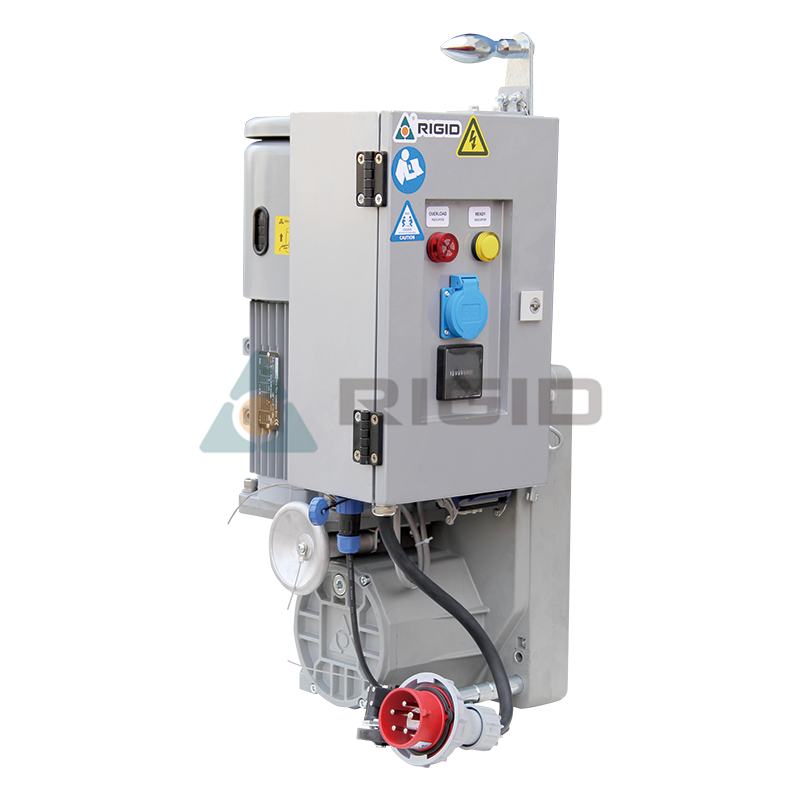
Elevators: A Comprehensive Analysis Of Types, Operating Principles, And Safety Guidelines
1. Introduction
In the process of urbanization and modern architectural development, high-rise buildings, super high-rise buildings, and large-scale commercial complexes have become an important symbol of urban development. The vertical transportation of personnel and materials in these buildings has become a key link affecting the efficiency of use, comfort, and safety. Traditional vertical transportation methods such as stairs and manual handling have inherent limitations: stairs are time-consuming and labor-intensive, not suitable for the elderly, children, and the disabled; manual handling has low efficiency and high labor intensity, which cannot meet the needs of large-scale and high-frequency vertical transportation.
Elevators, as a mature vertical transportation equipment, have been continuously optimized and upgraded in structure, technology, and performance since their invention, forming a diversified product system to adapt to different application scenarios. Compared with traditional vertical transportation methods, elevators have the advantages of high transportation efficiency, stable operation, strong load-bearing capacity, good accessibility, and humanized design. They can be divided into various types according to the structural form, driving mode, use scenario, and load-bearing capacity, and can be customized according to the specific needs of buildings, realizing the safe and efficient vertical transportation of personnel and materials in various complex architectural environments.
Against this background, it is of great practical significance to conduct in-depth and comprehensive analysis of elevators. This paper takes the core demand of ""safe, efficient, and intelligent vertical transportation"" as the starting point, systematically combs the classification characteristics and operating principles of elevators, parses their core structural components and key technical parameters, elaborates on the applicable scenarios of different types of elevators, and puts forward professional safety guidelines for use, maintenance, and emergency response. It is hoped that this paper can provide valuable reference for relevant enterprises, personnel, and management departments, help them better understand and apply elevators, and promote the safe, efficient, and sustainable development of the elevator industry.
2. Classification and Core Characteristics of Elevators
Elevators are classified according to multiple criteria, including structural form, driving mode, use scenario, load-bearing capacity, and speed. Different types of elevators have unique structural characteristics, operating performance, and applicable ranges, which are the basis for scientific selection and rational application. The following is a detailed analysis of the mainstream types of elevators and their core characteristics:
2.1 Classification by Structural Form
- Traction Elevator: The most widely used type of elevator, with a traction system as the core driving force. It is composed of a traction machine, traction rope, car, counterweight, guide rail, and control system. The traction machine drives the traction rope to pull the car and counterweight to move up and down along the guide rail, realizing vertical transportation. The traction elevator has the advantages of stable operation, low noise, large load-bearing capacity, and high lifting height, and is widely used in high-rise residential buildings, commercial complexes, and office buildings.
- Hydraulic Elevator: Driven by a hydraulic system, it uses hydraulic oil as the power medium to drive the hydraulic cylinder to expand and contract, thereby lifting the car. It is composed of a hydraulic pump, hydraulic cylinder, car, guide rail, and control system. The hydraulic elevator has the advantages of simple structure, low cost, stable lifting, and strong load-bearing capacity, and is suitable for low-rise buildings (3-6 floors) such as residential buildings, villas, and industrial workshops.
- Machine-Room-Less Elevator: A new type of elevator that integrates the traction machine, control cabinet, and other components into the hoistway, without the need for an independent machine room. It has the advantages of saving building space, reducing construction cost, and convenient installation and maintenance, and is widely used in high-rise buildings and old building renovation projects where space is limited.
- Observation Elevator: Equipped with a transparent car wall (usually made of tempered glass), which allows passengers to enjoy the external scenery during the lifting process. The observation elevator has the advantages of beautiful appearance, strong ornamental value, and good user experience, and is suitable for commercial complexes, scenic spots, hotels, and other places with high aesthetic requirements.
- Freight Elevator: Designed for transporting goods, with a large load-bearing capacity, simple structure, and strong durability. The car of the freight elevator is usually large in size, and the interior is equipped with anti-slip and anti-collision devices to adapt to the transportation of heavy goods. It is widely used in industrial workshops, warehouses, logistics centers, and other places.
2.2 Classification by Driving Mode
- AC Traction Elevator: Driven by an AC motor, which is the most common driving mode for traction elevators. It has the advantages of simple structure, reliable operation, low maintenance cost, and wide application range. AC traction elevators are divided into AC asynchronous traction elevators and AC synchronous traction elevators, among which AC synchronous traction elevators have higher efficiency and better energy-saving performance.
- DC Traction Elevator: Driven by a DC motor, which has the advantages of smooth speed regulation, stable operation, and high control precision. However, due to the complex structure of the DC motor, high maintenance cost, and high energy consumption, it is gradually replaced by AC traction elevators, and is only used in some special scenarios with high control requirements.
- Hydraulic Driving Elevator: As mentioned in Section 2.1, it is driven by a hydraulic system, which is suitable for low-rise buildings and has the advantages of stable lifting and strong load-bearing capacity. The hydraulic driving system is equipped with a safety valve, one-way valve, and other components to ensure the safety of the lifting process.
- Linear Motor Elevator: Driven by a linear motor, which realizes the direct linear movement of the car without the need for a traction rope, traction machine, and counterweight. It has the advantages of small space occupation, high lifting speed, smooth operation, and low noise, and is suitable for super high-rise buildings and special environments.
2.3 Classification by Use Scenario
- Residential Elevator: Designed for residential communities, with moderate load-bearing capacity (usually 800-1250kg), moderate speed (0.5-1.5m/s), and humanized design (such as anti-pinch doors, emergency call devices, and child locks). It focuses on comfort, safety, and energy saving, and is suitable for the daily travel of residents.
- Commercial Elevator: Used in commercial complexes, shopping malls, and office buildings, with large load-bearing capacity (1000-2000kg), high speed (1.5-3.0m/s), and high frequency of use. It focuses on transportation efficiency, stability, and ornamental value, and is usually equipped with advanced control systems and humanized configurations.
- Industrial Elevator: Used in industrial workshops, factories, and construction sites, with strong load-bearing capacity (2000-10000kg), simple structure, and strong adaptability to harsh environments. It is mainly used for transporting equipment, materials, and construction personnel, and is equipped with anti-collision, anti-slip, and other protective devices.
- Medical Elevator: Designed for hospitals and medical institutions, with special configurations to meet the needs of medical treatment. It has a large car space, low noise, stable operation, and is equipped with emergency rescue devices, stretcher fixing devices, and disinfection facilities. The speed and load-bearing capacity are designed according to the needs of medical transportation.
- Fire Elevator: A special elevator used for fire rescue, which has the functions of fire resistance, heat insulation, and emergency operation. It can operate normally in fire situations, transporting fire rescue personnel and equipment to the fire floor. The fire elevator is equipped with a fire control switch, emergency power supply, and other components to ensure the safety of fire rescue.
2.4 Core Performance Characteristics
- Load-Bearing Capacity: The load-bearing capacity of elevators ranges from 320kg (for small residential elevators) to 10000kg (for large industrial elevators). Residential elevators usually have a load-bearing capacity of 800-1250kg, commercial elevators 1000-2000kg, and industrial elevators 2000kg or more, which can be selected according to the actual use needs.
- Lifting Speed: The lifting speed ranges from 0.5m/s (for low-rise residential elevators) to 10m/s or more (for super high-rise commercial elevators). Low-rise elevators have a speed of 0.5-1.0m/s, medium-rise elevators 1.0-2.0m/s, high-rise elevators 2.0-5.0m/s, and super high-rise elevators 5.0m/s or more.
- Stability and Comfort: The core structural components are made of high-strength steel, and the operating system is equipped with a shock absorption and noise reduction device, ensuring stable operation and low noise. The car is equipped with a comfortable seat, ventilation system, and lighting system, improving the user experience.
- Safety Performance: Equipped with multiple safety protection devices (such as anti-fall devices, overspeed protection devices, door interlock devices, and emergency stop buttons), which can effectively prevent elevator failures and safety accidents, ensuring the safety of passengers and goods.
- Intelligence and Automation: Modern elevators are equipped with intelligent control systems, which can realize automatic floor selection, automatic door opening and closing, remote monitoring, and fault early warning. Some high-end elevators are also equipped with artificial intelligence technologies such as face recognition and voice control, improving the convenience of use.
3. Core Structural Components and Operating Principles of Elevators
The performance and safety of elevators are directly determined by their core structural components and operating principles. Understanding the functions and working mechanisms of each component is crucial for the selection, operation, maintenance, and fault handling of elevators. The following is a detailed analysis of the core structural components and operating principles of mainstream elevators:
3.1 Core Structural Components
- Car: The main component for carrying passengers or goods, usually made of high-strength steel plate, with a closed structure. The car is equipped with a door (sliding door or swing door), control panel, ventilation system, lighting system, and safety protection devices (such as anti-pinch door, emergency call button). The size and shape of the car vary according to the type and use of the elevator.
- Traction System: The core driving component of traction elevators, including a traction machine, traction rope, and counterweight. The traction machine is the power source, which drives the traction rope to rotate, thereby pulling the car and counterweight to move up and down. The counterweight balances the weight of the car, reducing the load of the traction machine and improving energy efficiency. The traction rope is made of high-strength steel wire rope, which has good tensile strength and durability.
- Guide Rail System: Composed of guide rails, guide shoes, and rail brackets, which guide the car and counterweight to move up and down along a fixed direction, ensuring the stability of the elevator. The guide rails are fixed on the wall of the hoistway, and the guide shoes are installed on the car and counterweight, reducing the friction between the car and the guide rails.
- Door System: Including car door and hall door, which are used to isolate the hoistway and ensure the safety of passengers. The door system is equipped with a door interlock device, which can only open the door when the car is accurately aligned with the floor, preventing passengers from falling into the hoistway. The door is driven by a door machine, which realizes automatic opening and closing.
- Control System: The command center of the elevator, including a control cabinet, control panel, and electrical components. The control system can realize floor selection, door opening and closing, speed regulation, and fault detection. Modern elevators are equipped with microcomputer control systems, which have high control precision and reliability, and can realize intelligent operation and remote monitoring.
- Safety Protection System: The key component to ensure the safety of the elevator, including anti-fall device (safety gear), overspeed protection device, door interlock device, emergency stop button, emergency power supply, and buffer. The anti-fall device can stop the car quickly when the elevator falls accidentally; the overspeed protection device can cut off the power supply when the elevator speed exceeds the rated speed; the emergency power supply can ensure the elevator to operate normally when the power is cut off.
- Hoistway: The space where the car and counterweight move, usually built in the building, with a closed structure. The hoistway is equipped with guide rails, rail brackets, and buffer devices, and the inner wall is equipped with sound insulation and heat insulation materials to reduce noise and improve comfort.
3.2 Operating Principles of Mainstream Elevators
3.2.1 Traction Elevator
The operating principle of the traction elevator is based on the friction between the traction rope and the traction sheave. The traction machine drives the traction sheave to rotate, and the traction rope is wound on the traction sheave. Under the action of friction, the traction rope pulls the car and counterweight to move up and down along the guide rail. The counterweight balances the weight of the car and the load, reducing the torque required by the traction machine, thereby saving energy. The control system controls the rotation speed and direction of the traction machine, realizing the accurate positioning of the car and the adjustment of the lifting speed. The safety protection system monitors the operating status of the elevator in real time, and triggers the corresponding protection measures when an abnormal situation occurs.
3.2.2 Hydraulic Elevator
The operating principle of the hydraulic elevator is based on Pascal's principle. The electric motor drives the hydraulic pump to generate hydraulic pressure, and the hydraulic oil is transported to the hydraulic cylinder through the oil pipeline. The hydraulic cylinder expands and contracts under the action of hydraulic pressure, thereby lifting or lowering the car. The hydraulic system is equipped with a safety valve to adjust the hydraulic pressure, ensuring the stable lifting of the car; the one-way valve prevents the hydraulic oil from flowing back, ensuring that the car can stay at any height stably. The control system controls the start and stop of the hydraulic pump and the direction of the hydraulic oil, realizing the lifting and lowering of the car and the accurate positioning of the floor.
3.2.3 Machine-Room-Less Elevator
The operating principle of the machine-room-less elevator is basically the same as that of the traditional traction elevator, but its traction machine, control cabinet, and other components are integrated into the top or bottom of the hoistway, without the need for an independent machine room. The traction machine adopts a small and compact design, which saves space and reduces construction cost. The control system is more intelligent, which can realize remote monitoring and fault early warning, and improve the convenience of maintenance.
3.2.4 Linear Motor Elevator
The linear motor elevator uses a linear motor as the driving force, which converts electrical energy into linear mechanical energy, realizing the direct linear movement of the car. The linear motor is installed on the wall of the hoistway, and the car is equipped with a magnetic plate that cooperates with the linear motor. When the linear motor is energized, it generates a magnetic field, which drives the car to move up and down along the guide rail. The linear motor elevator has no traction rope, traction machine, or counterweight, with a simple structure, small space occupation, and high lifting speed, which is suitable for super high-rise buildings.
4. Key Technical Points of Different Types of Elevators
Different types of elevators have different structural designs and operating characteristics, and their key technical points are also different. Grasping these key technical points is crucial for the selection, operation, and maintenance of elevators. The following is a detailed analysis of the key technical points of mainstream elevators:
4.1 Traction Elevator
- Traction Machine Selection: The traction machine is the core of the traction elevator, and its performance directly affects the stability and energy efficiency of the elevator. When selecting a traction machine, it is necessary to consider the load-bearing capacity, lifting speed, and energy-saving performance. AC synchronous traction machines are more energy-saving and efficient than AC asynchronous traction machines, and are widely used in modern elevators.
- Traction Rope Maintenance: The traction rope is the key component that bears the weight of the car and the load, and its service life and safety are crucial. Regularly inspect the traction rope for wear, corrosion, and breakage, and replace it in time if there is any abnormality. At the same time, regularly lubricate the traction rope to reduce friction and extend its service life.
- Counterweight Configuration: The counterweight balances the weight of the car, reducing the load of the traction machine. The weight of the counterweight is usually 40%-50% of the rated load-bearing capacity of the elevator. The reasonable configuration of the counterweight can improve the energy efficiency and stability of the elevator.
4.2 Hydraulic Elevator
- Hydraulic System Maintenance: The hydraulic system is the core of the hydraulic elevator, and its performance directly affects the lifting stability and safety of the elevator. Regularly inspect the hydraulic oil level, oil pipeline, and hydraulic components for oil leakage. Ensure that the hydraulic oil is clean, and replace the hydraulic oil regularly according to the manufacturer's requirements. Check the safety valve, one-way valve, and other components to ensure they are working normally.
- Hydraulic Cylinder Inspection: The hydraulic cylinder is the component that directly drives the car to lift. Regularly inspect the hydraulic cylinder for wear, corrosion, and oil leakage, and check the seal of the hydraulic cylinder to ensure that there is no oil leakage. If the hydraulic cylinder is worn or damaged, it should be replaced in time.
- Oil Temperature Control: The temperature of the hydraulic oil affects the performance of the hydraulic system. When the elevator is working for a long time, the temperature of the hydraulic oil will rise, which may cause the hydraulic system to fail. Therefore, it is necessary to install an oil temperature control device to ensure that the temperature of the hydraulic oil is within the normal range (usually 30-50℃).
4.3 Machine-Room-Less Elevator
- Space Layout Optimization: The machine-room-less elevator integrates the traction machine, control cabinet, and other components into the hoistway, so the space layout of the hoistway is crucial. It is necessary to reasonably arrange the position of each component to ensure that the elevator can operate normally and that the maintenance space is sufficient.
- Traction Machine Heat Dissipation: The traction machine of the machine-room-less elevator is installed in the hoistway, and the heat dissipation condition is poor. Therefore, it is necessary to select a traction machine with good heat dissipation performance, and install a heat dissipation device in the hoistway to ensure that the traction machine can work normally at a suitable temperature.
- Remote Monitoring System: The machine-room-less elevator is inconvenient for on-site maintenance, so it is necessary to equip a remote monitoring system to realize real-time monitoring of the elevator's operating status, fault early warning, and remote diagnosis, which can improve the maintenance efficiency and reduce the maintenance cost.
4.4 Medical Elevator
- Car Space Design: The medical elevator needs to carry stretchers, wheelchairs, and medical equipment, so the car space should be large enough. The width and depth of the car should be designed according to the size of the stretcher and wheelchair, and the car door should be wide enough to facilitate the entry and exit of the stretcher.
- Emergency Rescue Function: The medical elevator needs to have a reliable emergency rescue function, which can quickly rescue passengers when the elevator fails. It is equipped with an emergency power supply, emergency call device, and manual rescue device, ensuring that the elevator can be rescued in time in case of power failure or other faults.
- Disinfection and Sanitation: The medical elevator is used in medical institutions, so it is necessary to have good disinfection and sanitation performance. The car interior is made of materials that are easy to clean and disinfect, and the ventilation system is equipped with a sterilization device to ensure the hygiene of the car interior.
5. Safety Guidelines for Elevators: Use, Maintenance, and Emergency Response
The safety of elevators is related to the life and property safety of passengers and the normal operation of buildings. Therefore, it is necessary to establish a scientific and standardized safety management system, strictly follow the safety guidelines for use, maintenance, and emergency response, and effectively prevent elevator failures and safety accidents. The following are professional safety guidelines for elevators:
5.1 Safe Use Guidelines
1. Passengers must abide by the elevator use rules, do not overload the elevator, and do not carry flammable, explosive, toxic, or other dangerous goods into the elevator. Do not use the elevator when the elevator is overloaded, to avoid elevator failure.
2. Do not tamper with the elevator control panel, emergency call button, and other components, and do not force the elevator door to open or close. When the elevator door is closing, do not stretch your hands, feet, or other parts into the door gap to avoid being pinched.
3. Children, the elderly, and the disabled should be accompanied by adults when taking the elevator. Do not let children play in the elevator or press the floor buttons randomly.
4. When taking the elevator, stand in the center of the car, do not lean against the elevator door, and do not jump in the car to avoid affecting the stability of the elevator.
5. If the elevator stops abnormally during operation, do not panic, do not force the elevator door to open, and press the emergency call button to call for help. Wait patiently for the maintenance personnel to rescue, and do not climb out of the car by yourself.
6. After taking the elevator, confirm that the elevator door is fully opened before getting out of the car, and check whether the floor is correct to avoid falling into the hoistway.
5.2 Regular Maintenance Guidelines
- Establish a Maintenance System: Establish a regular maintenance system for elevators, and entrust qualified maintenance units to conduct daily, weekly, monthly, quarterly, and annual maintenance. The maintenance content should include the inspection, cleaning, lubrication, and adjustment of each component of the elevator.
- Daily Maintenance: Clean the car interior, hall door, and car door, check the control panel, emergency call button, and door interlock device to ensure they are working normally. Check the traction rope, guide rail, and other components for abnormalities.
- Periodic Maintenance: Weekly maintenance includes checking the traction machine, hydraulic system, and safety protection device; monthly maintenance includes lubricating the moving parts, inspecting the wear of the traction rope and guide rail, and adjusting the door system; quarterly and annual maintenance includes a comprehensive inspection and test of the elevator, and replacing the vulnerable parts.
- Maintenance Record: Establish a maintenance record system, record the maintenance time, maintenance content, maintenance personnel, and existing problems in detail. The maintenance record should be kept for a certain period of time for future reference.
- Vulnerable Parts Replacement: Regularly inspect the vulnerable parts of the elevator (such as traction rope, door seal, and buffer), and replace them in time when they are worn or damaged. Use the vulnerable parts specified by the manufacturer to ensure the safety and performance of the elevator.
5.3 Emergency Response Guidelines
- Abnormal Stop Handling: If the elevator stops abnormally during operation, the passengers should press the emergency call button to call the property management personnel or maintenance personnel, and wait patiently for rescue. Do not force the elevator door to open or climb out of the car by yourself, to avoid falling into the hoistway or being injured by the moving car.
- Power Failure Handling: If the elevator stops due to power failure, the emergency power supply will be activated automatically, and the elevator will slowly move to the nearest floor and open the door. If the emergency power supply fails, the passengers should press the emergency call button to call for help and wait for rescue.
- Fire Emergency Handling: In case of fire, do not take the elevator, and evacuate through the stairs. The fire elevator should be used only by fire rescue personnel. The property management personnel should cut off the power supply of the elevator in time and activate the fire control system.
- Water Ingress Handling: If water enters the hoistway or car, stop the elevator immediately, cut off the power supply, and evacuate the passengers. The maintenance personnel should inspect the elevator and dry the water before restarting the elevator to avoid electrical failure.
- Rescue Operation: The maintenance personnel should receive professional training and be familiar with the emergency rescue procedures. When rescuing, they should strictly follow the rescue procedures, ensure their own safety, and rescue the passengers in time.
5.4 Common Safety Hazards and Prevention Measures
- Hazard 1: Elevator Falling: The main causes are failure of the anti-fall device, wear or breakage of the traction rope, and overload operation. Prevention measures: Regularly inspect the anti-fall device and traction rope, ensure they are working normally; strictly control the load, and do not overload the elevator.
- Hazard 2: Door Interlock Failure: The main causes are wear of the door interlock device, loose connection, and electrical failure. Prevention measures: Regularly inspect the door interlock device, tighten loose connections, and replace damaged components in time; ensure that the door can only be opened when the car is accurately aligned with the floor.
- Hazard 3: Traction Machine Failure: The main causes are lack of lubrication, overheating, and electrical failure. Prevention measures: Regularly lubricate the traction machine, check the heat dissipation device, and ensure that the traction machine works at a suitable temperature; regularly inspect the electrical components of the traction machine, and replace damaged components in time.
- Hazard 4: Passenger Misoperation: The main causes are unfamiliarity with the elevator use rules, tampering with elevator components, and forced door opening. Prevention measures: Post elevator use rules in the car and hall, strengthen publicity and education; install protective devices to prevent tampering with elevator components.
6. Development Trend of Elevator Technology
With the continuous progress of science and technology and the increasing demand for safe, efficient, intelligent, and green vertical transportation, elevator technology is developing in the direction of intelligence, automation, energy saving, and customization. The main development trends are as follows:
- Intelligent and Digital Development: The integration of elevators with intelligent technologies such as Internet of Things, big data, artificial intelligence, and 5G will become the mainstream. Intelligent elevators can realize real-time monitoring of operating status, fault early warning, remote diagnosis, and remote control. They can also learn the travel habits of passengers through big data analysis, optimize the operation mode, and improve transportation efficiency. Face recognition, voice control, and other technologies will be widely used in elevators, improving the convenience of use.
- Energy Saving and Environmental Protection Upgrading: Further optimize the structural design of elevators, adopt new energy-saving technologies and materials, and reduce energy consumption. For example, the use of permanent magnet synchronous traction machines can reduce energy consumption by 30%~50% compared with traditional traction machines; the use of lightweight high-strength materials can reduce the weight of the car and counterweight, improving energy efficiency. At the same time, the use of environmentally friendly materials and lubricants can reduce environmental pollution.
- Automation and Unmanned Operation: With the development of automation technology, automatic elevators and unmanned elevators will be widely used. Automatic elevators can realize automatic floor selection, automatic door opening and closing, and automatic adjustment of speed according to the number of passengers, reducing manual intervention. Unmanned elevators can be controlled remotely through the Internet, suitable for special environments such as hospitals and logistics centers.
- Customization and Multi-Functional Integration: According to the specific needs of different buildings and use scenarios, customized elevators will be developed. For example, for super high-rise buildings, elevators with high speed and large load-bearing capacity will be developed; for elderly care facilities, elevators with slow speed, large space, and humanized configuration will be developed. Multi-functional integration will become a trend, and elevators will be integrated with functions such as disinfection, air purification, and emergency rescue, improving the comprehensive performance of elevators.
- Safety Technology Upgrading: The development and application of new safety protection technologies will further improve the safety performance of elevators. For example, the use of intelligent anti-fall devices and overspeed protection devices can effectively prevent elevator failures; the use of video monitoring and alarm systems can realize real-time monitoring of the car interior and hoistway, ensuring the safety of passengers. The use of fault self-diagnosis technology can quickly find and solve elevator faults, reducing the occurrence of safety accidents.








 +86 51068080177


 Current location:Home
>News
>Industry news
Elevators: A Comprehensive Analysis Of Types, Operating Principles, And Safety Guidelines
Current location:Home
>News
>Industry news
Elevators: A Comprehensive Analysis Of Types, Operating Principles, And Safety Guidelines