Cable Climbers: Core Functions, Types And Safety Norms
1. Introduction
Cable climbers are specialized equipment designed to climb along cables (such as steel wire ropes) vertically or horizontally. They use friction or gripping force to move stably, widely applied in bridge inspection, high-altitude maintenance, rescue, and industrial operations, ensuring safe and efficient high-altitude work.
2. Structure and Working Principle
A typical
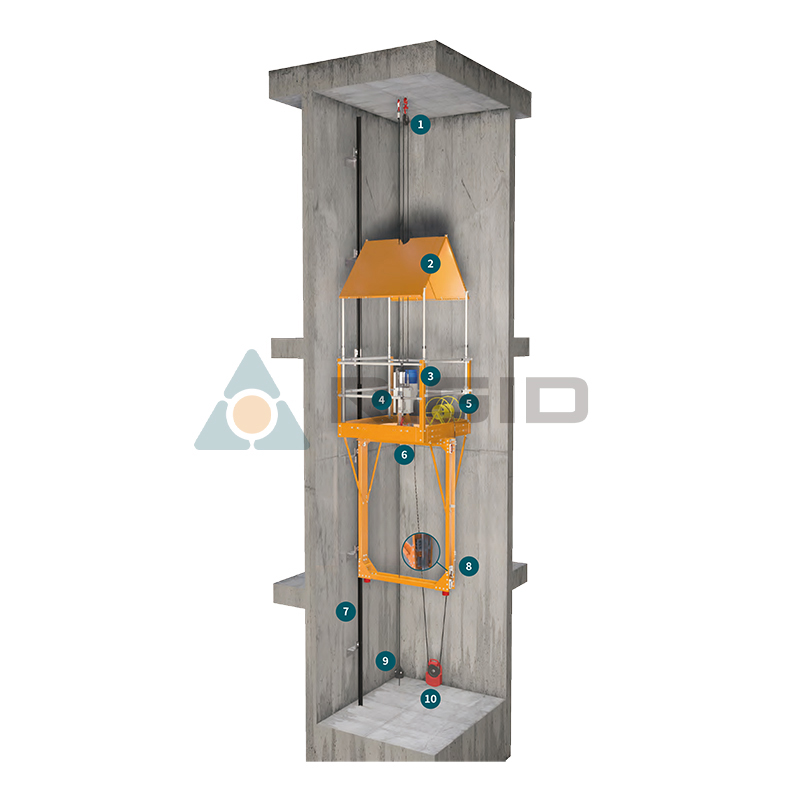
cable climber consists of a main body, gripping mechanism, driving system, and control device. It relies on friction between the gripping components and the cable or alternately opening and closing grippers to generate climbing force, moving up, down, or hovering along the cable steadily without damaging the cable surface.
3. Common Types
- Electric Cable Climbers: Driven by electric motors, efficient and suitable for large-scale operations like bridge cable inspection, often equipped with sensors for intelligent detection.
- Manual Cable Climbers: Operated by hand, compact and portable, suitable for small-scale maintenance and emergency rescue in areas without power supply.
- Hydraulic/Pneumatic Cable Climbers: Powered by hydraulic or pneumatic systems, durable and stable, ideal for harsh environments like offshore operations and water gate maintenance.
- Intelligent Cable Climbing Robots: With modular design and biomimetic crawling technology, used for automatic inspection of bridge main cables, capable of full-coverage detection and track adjustment.
4. Key Features and Advantages
- Stable and Safe: Equipped with anti-fall devices and reliable gripping mechanisms, ensuring at least one set of grippers holds the cable during movement to prevent falling.
- Flexible and Adaptable: Can climb along different types and diameters of cables, adapting to various high-altitude and harsh working environments.
- Efficient and Labor-Saving: Reduces manual labor intensity, replaces manual high-altitude operations, and improves work efficiency and safety.
- Versatile: Suitable for inspection, maintenance, rescue, and material transportation, with expandable functions like cleaning and oiling.
5. Safety Norms and Precautions
Inspect the gripping mechanism and cable for wear or damage before use; ensure the climber matches the cable diameter. Operators must be trained and wear protective equipment; avoid using in severe weather. Regular maintenance and lubrication of moving parts are required to ensure stable operation.
6. Conclusion
Cable climbers are indispensable equipment for high-altitude cable-related operations. Their stability, flexibility, and safety make them vital in bridge engineering, industrial maintenance, and rescue fields, promoting the intelligence and safety of high-altitude operations.








 +86 51068080177
  Current location: