Fall Arresters: Core Functions, Types And Safety Guidelines
1. Introduction
Fall arresters are critical safety devices designed to prevent or mitigate falls from heights. Widely used in construction, wind power, and high-altitude maintenance, they protect workers by stopping falls quickly and reducing impact force, ensuring personal safety in high-risk operations.
2. Structure and Working Principle
A basic
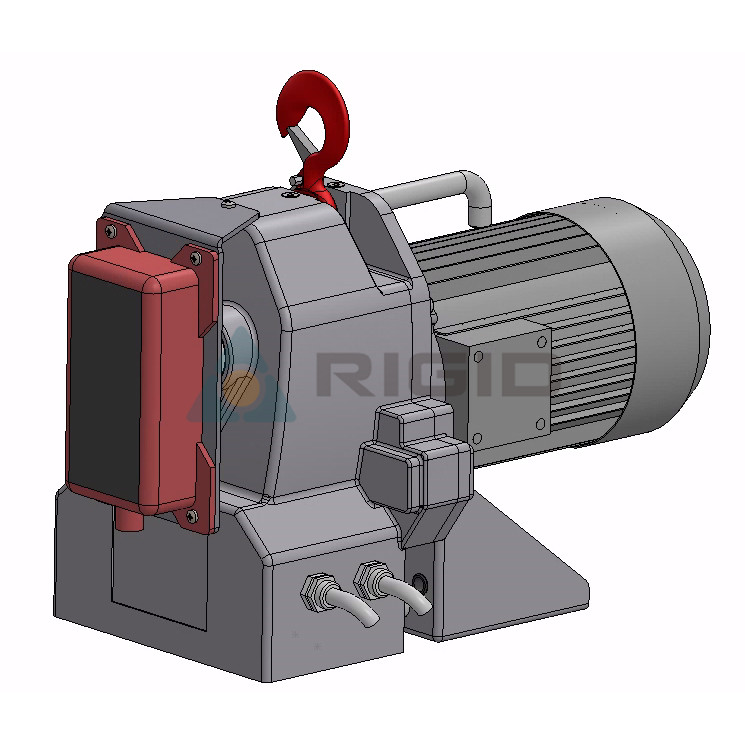
fall arrester consists of a housing, braking mechanism, webbing/steel cable, and connection fittings. It works by activating the braking system instantly when a fall occurs, locking the device to stop the worker’s descent and absorb impact energy, minimizing injury risk.
3. Common Types
- Retractable Fall Arresters: Equipped with a spring-loaded retractable cable/webbing, allowing free movement and automatic locking during falls, widely used in dynamic high-altitude work.
- Fixed Fall Arresters: Mounted permanently, using steel cables or ropes to limit fall distance, suitable for static work positions like platform maintenance.
- Rescue Fall Arresters: Compact and portable, designed for emergency rescue scenarios to retrieve fallen workers safely.
4. Key Features and Advantages
- Quick Braking: Instantly locks during falls, limiting fall distance to reduce impact force.
- Impact Resistance: Built with high-strength materials to withstand fall impacts and protect workers from injury.
- Easy to Use: Lightweight and simple to connect, requiring minimal training for operation.
- Versatile: Adaptable to various high-altitude scenarios, compatible with safety harnesses and other protective equipment.
5. Safety Norms and Precautions
Inspect the arrester for wear, damage, or expiration before use; ensure proper connection to a secure anchor point. Workers must wear compatible safety harnesses and avoid exceeding the device’s load capacity. Regular inspection and maintenance are required to ensure reliable performance.
6. Conclusion
Fall arresters are indispensable safety tools for high-altitude operations. Their quick braking, impact resistance, and versatility effectively protect workers, reducing fall-related risks and ensuring safe work environments.








 +86 51068080177




 Current location:Home
>News
>Industry news
Fall Arresters: Core Functions, Types And Safety Guidelines
Current location:Home
>News
>Industry news
Fall Arresters: Core Functions, Types And Safety Guidelines